

Leaf mould is the easiest soil improver you will ever make. It costs nothing and wants no effort beyond a rake and a corner. After a year it gives you something no bought product quite replicates.
The only thing working against you is time. Once a pile is running, time is the one resource you have plenty of.
Leaf Mould Is Not Compost And The Difference Matters
A compost heap is a bacterial process. It runs hot. It wants nitrogen-rich material and regular turning. It works in months.
Leaf mould is fungal. It runs cold. It wants nothing but time and moisture. It works in years.
The distinction matters practically. Tip a barrowload of leaves into the compost bin and you slow the whole heap down, because the two processes use different biological crews under different working conditions. Leaf fungi belong to the same broad family that mycorrhizal fungi come from. Neither responds to hurrying.
What Leaf Mould Is Good For
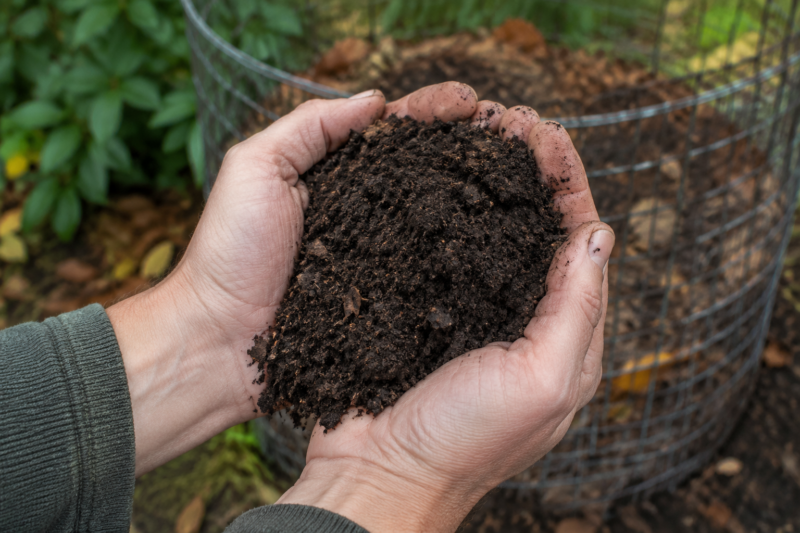
The use changes with the age of the pile. In our experience a year gives you a coarse, dark material that works as a mulch and a soil conditioner. Two years gives you something fine and crumbly enough to mix into a seed sowing medium.
Two products from one pile, depending only on when you reach in.
What leaf mould does to your soil
It holds water, which matters more than most gardeners expect. It improves structure across repeated seasons and it feeds the fungal networks already present in healthy ground.
The honest limitation is that leaf mould carries very little in the way of nutrients. It conditions soil rather than feeding it. On a hungry bed pair it with biohumus wormcompost or organic compost plus. The leaf mould handles structure and moisture. The compost handles feed.
How To Make Leaf Mould In Five Steps
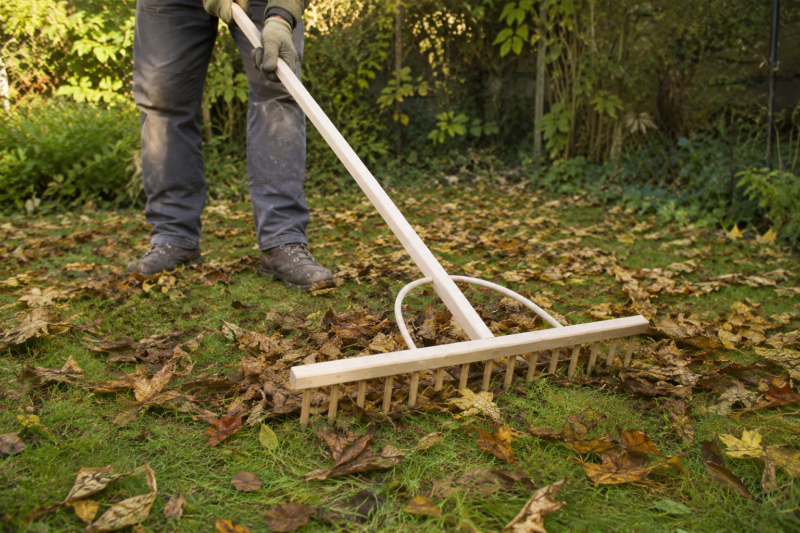
Rake as the leaves fall. Work in stages rather than waiting for one enormous job in late November. Batches keep the volume manageable and the lower layers start breaking down sooner. Our handmade wooden hay rake suits this better than a plastic fan rake, being light in the hand at under 1.5kg for a six foot tool.
Wet the leaves thoroughly. Dry leaves do not rot. They sit. Skip this only if autumn rain has already soaked them, because in a dry October it decides whether the pile works or merely looks tidy.
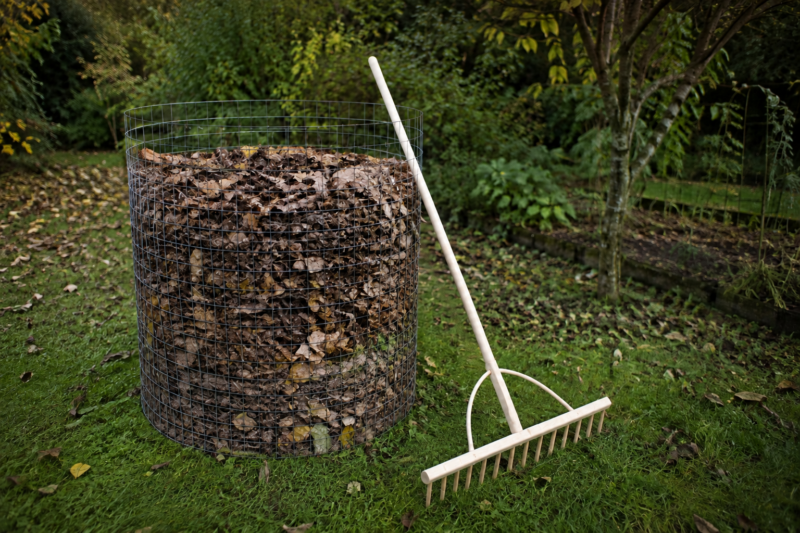
Contain them. A wire mesh cage is the classic and it works. A hessian sack suits smaller quantities and a punctured bin bag will do at a push. The container only has to hold the leaves together and let air and moisture through.
Site the pile carefully. Shaded and out of the wind. Behind a shed or along a fence line keeps the pile damp without waterlogging it. Leaves piled in full sun will dry rather than rot.
Leave it alone. No turning, no feeding, no intervention. Check it is still damp after a dry spell and otherwise ignore it for twelve months. This is the one garden process that rewards doing nothing.
Which Leaves To Use And Which To Keep Out
Fast rotters include oak, beech, hornbeam, birch and most fruit tree leaves. A pile of these gives usable mulch within a year.
Sycamore, horse chestnut and walnut take longer and are still worth including. Running them over with a rotary mower first breaks the leaf structure down before the fungi reach it, which shortens the wait noticeably.
Conifer needles and evergreen leaves are a different category. They take years rather than months and belong in their own pile, where they eventually make a useful acidic mulch for ericaceous plants.
Two things must stay out: anything diseased or blighted, plus all tomato and potato foliage. A leaf mould pile never reaches the temperature that kills plant pathogens. Blighted material goes in the bin.
Where To Use Leaf Mould
Last year’s pile goes straight onto bare beds as a winter cover. We spread ours four to six centimetres deep, which protects soil structure through the cold months and suppresses early weed germination without any turning. Our October mulching and composting guide covers the wider method.
Around fruit trees and bushes it holds moisture and gives the root zone a protective layer. In spring, fully broken-down material from a two-year pile mixes well into a peat-free seed sowing medium. As a top dressing in containers it cuts how often you need to water.
Where you want a contained cover rather than a loose material that shifts in the wind, organic coir mulch mats do the same protective job with tidier edges. Around new plantings and in pots they hold position in a way loose mulch does not.
The Pile Is Doing A Second Job
A quiet leaf pile in a corner is more than compost in waiting. It is overwintering cover for ground beetles, lacewings, hedgehogs and the insects that spend April eating your aphids.
Keep one pile deliberately undisturbed through winter, separate from the pile you plan to use. You have made habitat as well as soil improver.
The Leaf-Clearing Myth Worth Dropping
The idea that leaves must come off borders for the plants’ sake does not hold up. Off lawns and paths, yes, because grass needs light and wet leaves underfoot are dangerous.
Off borders, no. The leaves were heading there anyway and the soil biology in your borders knows what to do with them. Let the thin layer stay, clear the thick ones and use them, which is the same principle our no dig gardening guide applies across the whole growing system.
Frequently Asked Questions
How long does leaf mould take to make?
We reckon on about a year for a coarse mulch and about two for a fine, crumbly material suitable for seed sowing. Shredding the leaves with a rotary mower before piling shortens both.
Can I put leaves in my compost bin?
A few, yes. In bulk, no. A compost heap runs on bacterial heat and nitrogen. A large volume of carbon-heavy leaves will slow it rather than help it.
Do I need to add anything to the leaf pile?
No. Water is the only thing it needs and rain usually provides that. Nitrogen and compost activator are compost heap techniques that the fungal process neither needs nor wants.
Can I use leaf mould instead of peat-free compost?
As a soil conditioner and mulch, yes. As a growing medium on its own, no, because leaf mould is low in nutrients and lacks the structure to support germinating seeds without a peat-free base.
Start A Pile This October
A pile of autumn leaves, a wire cage and twelve months of patience give you something bought compost cannot quite replicate. Start one now and it will earn its place by next autumn. Our handmade wooden hay rake is £52.40. Our soil enhancers cover the feed that leaf mould does not provide.
< Back to all posts