

The Wormcast fertiliser gardeners are increasingly reaching for is not a new invention… it is 600 million years old. Earthworms have been quietly improving soil since long before humans thought to intervene. We have simply learned how to harness what they leave behind.
The irony is that the most potent natural fertiliser available to home gardeners comes from a creature most of us spend years ignoring, if not actively avoiding. That changes here.
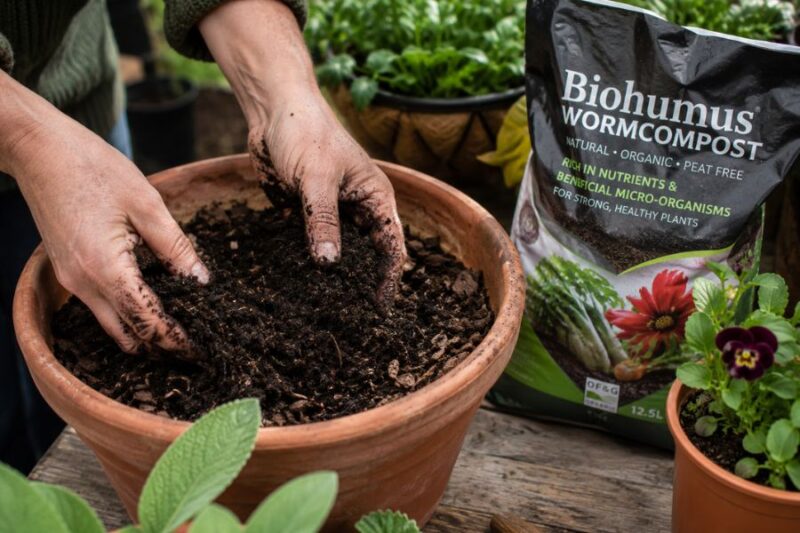
What Wormcast Fertiliser Actually Is
Wormcast is not compost. It is not manure. It is the digestive output of earthworms. Organic matter that has passed through a worm’s gut and been chemically transformed into something far more useful than anything that went in.
That transformation matters enormously. The nutrients locked inside raw organic matter; nitrogen, phosphorus, potassium, calcium and magnesium are released in forms that plant roots can take up almost immediately. No waiting for slow decomposition. No soil chemistry required on the plant’s part.
Beyond the nutrients, wormcast carries beneficial microbes, enzymes and natural plant growth hormones that standard compost simply does not contain. Research published through the Soil Association confirms that vermicompost consistently outperforms conventional compost for plant growth rates, germination success and disease suppression because it feeds the soil food web, not just the plant itself.
How Wormcast Is Different to Ordinary Compost
This distinction is worth being direct about, because it is one of the most common misconceptions in the garden. Compost improves soil structure and adds bulk organic matter slowly over time. Wormcast feeds plants and soil biology directly and it does so almost immediately.
You need both in a healthy garden. However, they are not interchangeable and using compost where wormcast is needed means your plants will go short on the microbial life and immediately available nutrition that drives real growth.
What Wormcast Fertiliser Does in Your Garden
The benefits stack up quickly once you start applying it. Slow, consistent nutrient release means there is no burn risk, unlike synthetic fertilisers, wormcast will not scorch roots even when applied generously. That makes it far more forgiving for new gardeners.
Water retention in the root zone improves noticeably, which becomes critical during dry summers. If you have been following our summer watering advice for keeping plants productive through heat stress, adding wormcast to your soil is the best structural support you can give that effort.
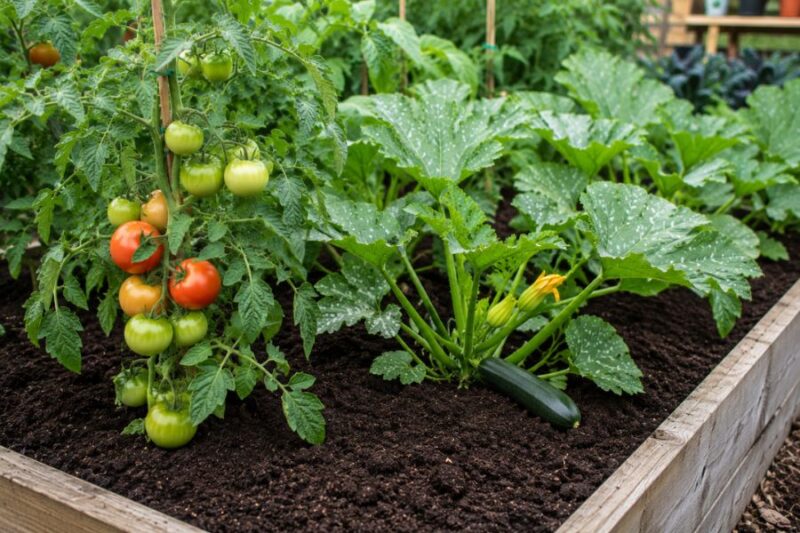
Wormcast also stimulates root development, reduces transplant shock when used in potting mixes and measurably improves germination rates when seeds are sown into it. For heavy feeders like tomatoes, courgettes and brassicas, the results in a single season are hard to argue with. If you have been dealing with yellowing leaves on your tomatoes, it is worth reading our guide to yellow tomato leaves, many of the nutrient deficiencies covered there are exactly what wormcast prevents.
How to Use Wormcast Fertiliser Gardens Will Benefit From
Top Dressing
Sprinkle a generous handful around the base of plants and work it gently into the surface. This is the most straightforward method and works brilliantly for tomatoes, courgettes, hungry brassicas and roses throughout summer. Apply monthly during the growing season for best results.
Potting Mix
Mix one part wormcast to four parts compost when potting up. Do not use it neat, it is too rich for seedlings at full strength and can overwhelm young root systems. At the right dilution, however, it transforms a basic potting mix into something genuinely high-performing.
Liquid Feed
Steep a generous handful in a full watering can overnight, strain out the solids and apply the liquid directly to the root zone. This delivers nutrients faster than top dressing and is particularly effective during peak growing weeks in July and August.
Seed Sowing
A small amount mixed into seed compost improves germination rates noticeably. Dilute well for fine or small seeds, a ratio of roughly one part wormcast to eight parts seed compost is a sensible starting point.
When to Apply Wormcast
Any time the soil is not frozen is a reasonable window. The most effective period is when plants are in active growth, so June through September represents peak season for application.
An August top dressing is particularly valuable. Heavy feeders have been working hard all summer and giving them a final nutritional boost before the season winds down helps them finish strong and sets the soil up well for autumn. Keep an eye on our seasonal preparation guide for timing advice on autumn soil building.
Wormcast also pairs well with companion planting strategies. When you are feeding the soil around companion plants, consistent nutrition across the bed supports the whole ecosystem, not just a single crop. Our companion planting guide covers which plant combinations benefit most from a nourished, biologically active soil.

The Natural Gardener’s Wormcast Product
Biohumus Wormcompost is cold processed from red wriggler worms fed on organic matter. No heat treatment is used at any stage. That detail is not incidental, heat processing destroys the microbial life that makes wormcast genuinely special and many commercial alternatives have been through exactly that process.
When Biohumus Wormcompost reaches your garden, the biology is intact and active. The enzymes, growth hormones and beneficial microbes are all present and ready to work in your soil.
For gardeners who want to build a complete soil-feeding programme, Biohumus Wormcompost pairs naturally with the Biochar and Seaweed Bundle. Biochar improves the physical structure of soil and creates long-term habitat for the microbial life that wormcast introduces, a combination that addresses the soil from two complementary angles. Our Biochar 101 guide explains how biochar works and why it makes such a strong pairing with biological soil amendments.
Frequently Asked Questions
What is wormcast fertiliser and is it different to compost?
Wormcast is the digestive output of earthworms, organic matter transformed inside a worm’s gut into a nutrient-rich, biologically active material. It differs from compost because it delivers nutrients in immediately plant-available forms and contains beneficial microbes, enzymes and growth hormones that compost does not provide. Both have a role in the garden, but they serve different purposes.
Can you use too much wormcast?
It is difficult to over-apply wormcast when used as a top dressing or mixed into potting compost at the recommended ratio. However, you should avoid using it neat for seedlings, as the high nutrient concentration can be too intense for very young root systems. A dilution of one part wormcast to four parts compost is the right starting point for potting mixes.
When is the best time to apply wormcast fertiliser in the UK?
The most effective window is during active plant growth, broadly June through September. An application in August is particularly beneficial for heavy feeders approaching the end of their growing season. Avoid applying to frozen ground, as the biology in the wormcast is less able to activate in cold, compacted soil.
Does wormcast fertiliser work for container plants?
Yes and it is one of the best amendments you can make to a container potting mix. Mix it into the compost at potting time, or apply it as a top dressing throughout the growing season. The liquid steep method, steeping a handful in a watering can overnight and applying to the root zone is especially effective for container plants that cannot benefit from soil biology in the same way as beds.
Nature Has Always Known How to Do This
Worms take organic matter, transform it and return it to the soil in a form that feeds more life. That is the whole system working exactly as it should, a closed loop that has sustained plant life for longer than gardening has existed as a concept.
Wormcast fertiliser UK gardeners can now access through Biohumus Wormcompost simply makes that ancient process available without the need for a worm farm, specialist equipment or any of the complexity that can put people off. The worms have already done the work. Your job is to apply it.
< Back to all posts