

Knowing how to prepare your garden for autumn in the UK is not something you should leave until the leaves start turning. By then, the window for the most effective soil work, pest control and structural planting has already closed. The gardeners who go into winter with healthy, well-fed beds are the ones who start their preparation in August.
Why August Is When Autumn Preparation Actually Begins
Most gardeners associate autumn preparation with September. The reality is different. August is the pivotal month, the soil is still warm, biological activity is at its peak and the interventions you make now will have genuine time to take effect before temperatures drop.
Warm soil is not just a comfort detail. It is the condition under which soil amendments work fastest and most effectively. Beneficial biology is active, root systems are still absorbing and the microbial networks that transfer nutrients are operating at full capacity.
How to Prepare Your Garden for Autumn UK: Start With the Soil
The single most impactful thing you can do in August is feed your soil while it is still receptive. Biochar is one of the most effective amendments you can apply at this time of year. It improves soil structure, increases water retention and creates a long-term habitat for beneficial microbes. Applied now, it has weeks of warm conditions in which to integrate properly before winter sets in.
Pair biochar with Biohumus Wormcompost for exceptional results. Wormcast is rich in immediately available plant nutrients, humic acids and beneficial bacteria. Because wormcompost is so biologically active, warm soil conditions allow it to absorb and begin working far faster than a cold autumn application ever could. These two products work in tandem, biochar provides the structure, wormcompost provides the life.
The Vine Weevil Window You Cannot Afford to Miss
August is the second key application month for vine weevil nematodes, and most gardeners miss it entirely. Adult vine weevils lay eggs from late summer onwards and the resulting larvae spend winter tunnelling through roots, often destroying container plants and border perennials before spring arrives.
The biological control window is narrow. Vine Weevil Nematodes need to be applied while soil temperatures remain above 5°C, and August gives you the most favourable conditions of the autumn treatment cycle. Nematodes are living organisms, order early, because stock sells out as the season progresses.
Slugs, Chafer Grubs and Other Late-Summer Threats
Slugs remain highly active in August and early September, particularly after rain. Nemaslug 2.0 uses the naturally occurring nematode Phasmarhabditis hermaphrodita to control slug populations in the soil. Unlike pellets, it poses no risk to wildlife, children or pets, a critical consideration for any garden managed along organic principles.
If your lawn has shown yellowing patches this summer, chafer grubs may already be at work below the surface. Ordering Chafer Grub Nematodes now, ahead of peak demand, gives you the best chance of treating effectively while soil conditions remain suitable.
Cutting Back, Collecting Seeds and Taking Late Cuttings
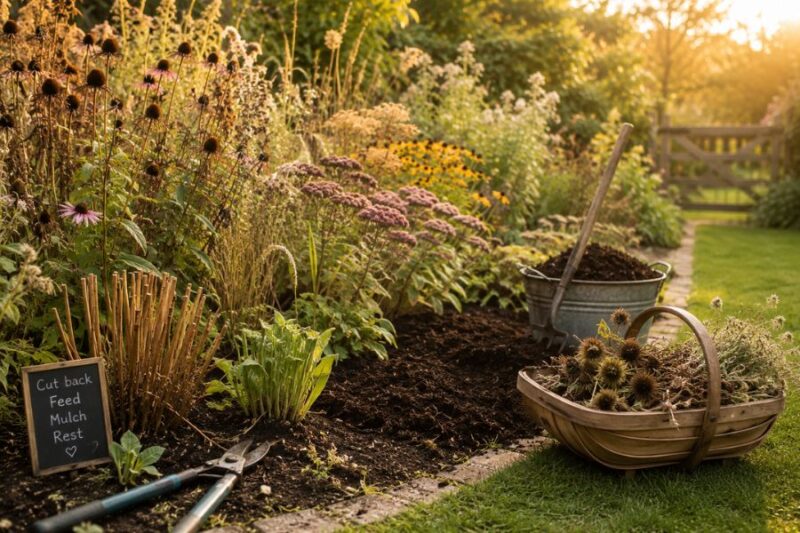
Late summer is the moment to assess your perennials honestly. Some benefit from cutting back now to encourage fresh basal growth before dormancy. Others, particularly seed heads that support birds and overwintering insects, are better left standing until February. The distinction matters.
This is also prime time for collecting seeds from annuals and biennials. Allow seed heads to dry fully on the plant, then harvest on a dry day and store in paper envelopes in a cool, dark place. It costs nothing and builds a seed bank you can draw on next spring.
Many tender perennials and half-hardy plants root reliably from cuttings taken in late August. Pelargoniums, penstemons and salvias are all good candidates. Taking cuttings now means overwintering compact young plants rather than gambling on established specimens surviving a cold winter outdoors.
Mulching Beds Before the Cold Arrives
Mulching is one of the most underrated acts of autumn gardening. Apply a generous layer, at least 5–7cm of organic mulch across your beds before soil temperatures fall below 10°C. The mulch insulates the soil, suppresses late-season weeds, retains moisture and gradually feeds the soil as it breaks down over winter.
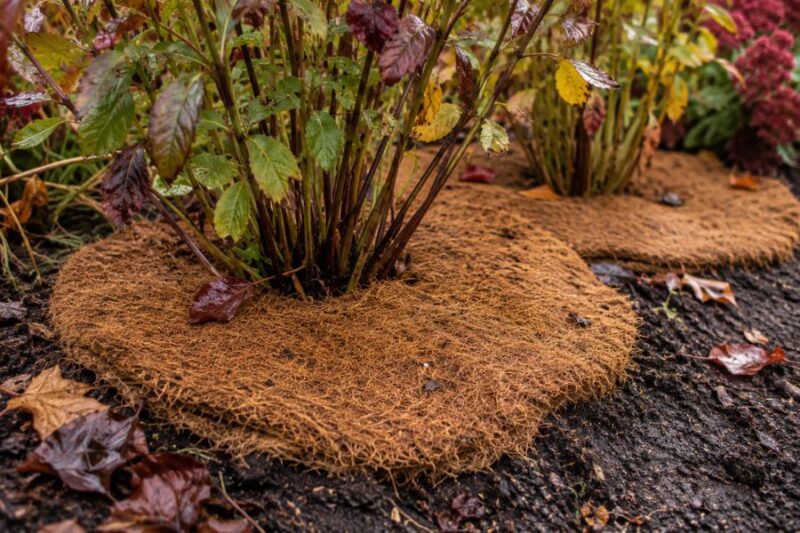
Organic Coir Mulch Mats offer a clean, practical solution for individual plants and smaller beds. Made from natural coconut husk fibre, they suppress weeds, regulate soil temperature and are fully biodegradable, so they contribute to soil health as they decompose rather than creating plastic waste.
Sowing Green Manures and Ordering Spring Bulbs
Any ground you clear in August and September should not stay bare through winter. Exposed soil loses structure, leaches nutrients and becomes compacted by rain. Sow a green manure, phacelia, mustard and winter field beans are all reliable autumn options to protect and feed the soil through the colder months. The roots bind the soil and the foliage suppresses weeds. In spring, you dig the crop in and it decomposes rapidly, releasing a flush of nitrogen precisely when your plants need it.
Spring bulb suppliers begin selling out of the best varieties from late August onwards. If you want tulips, alliums or narcissi that are genuinely worth growing, order now. The same principle applies to nematode products, biological controls have a shelf life and are produced in limited seasonal batches. Waiting until October means risking unavailability or reduced efficacy.
According to the RHS, soil preparation in late summer and early autumn is consistently cited as one of the most significant factors in garden resilience over winter. Early action is not just good practice; it has a measurable impact on what survives and what does not.
Frequently Asked Questions
When should I start preparing my garden for autumn in the UK?
August is the most effective starting point. Soil is still warm enough to absorb amendments quickly, biological pest controls work at their best and there is still time to sow green manures on cleared ground before temperatures drop significantly.
What should I put on my soil in autumn to improve it?
Biochar and wormcompost applied together are among the most effective combinations for improving soil structure and fertility. Apply while the soil is warm to maximise biological activity and absorption. Both are available as part of The Natural Gardener’s range of organic soil enhancers.
Are vine weevil nematodes effective in August?
Yes, August is actually the second key application window of the year for vine weevil nematodes. Soil temperatures are ideal and the nematodes can target newly hatched larvae before they establish and cause root damage through autumn and winter.
Should I mulch my beds before or after cutting back?
Cut back where necessary first, then mulch. This ensures the mulch sits directly against the soil surface and is not impeded by dead foliage. Aim to have mulch down before soil temperatures fall below 10°C.
Knowing how to prepare your garden for autumn in the UK is about acting a month earlier than feels natural. The warmth of late summer is one of your greatest gardening assets. Use it to feed your soil, apply biological controls and protect the beds that will reward you come spring. Explore The Natural Gardener’s full range of organic gardening products and give your garden the foundation it needs before winter takes hold.
< Back to all posts