

Knowing how to get rid of aphids organically in the UK is something every experienced gardener eventually needs to understand properly, because the chemical shortcut causes far more damage than the pest itself. Aphids are among the most persistent problems British gardens face and June is when things escalate fast.
Why June Is Peak Aphid Season in UK Gardens
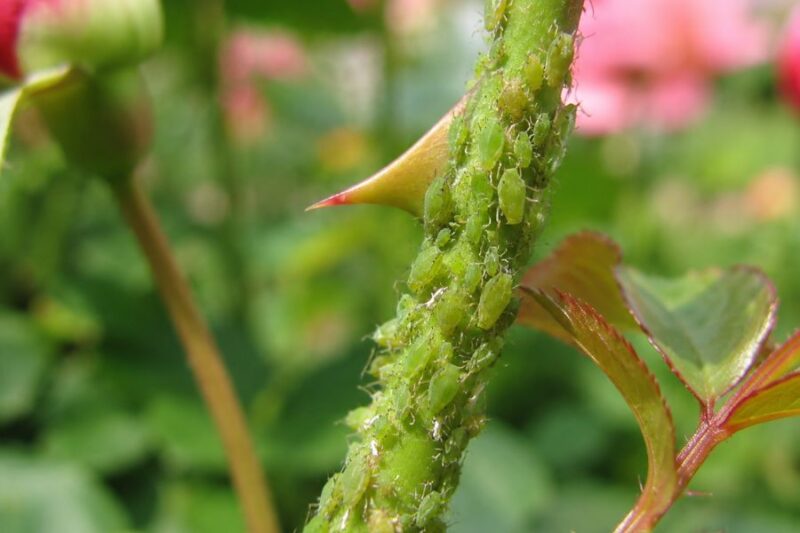
Aphids reproduce at a remarkable rate. A single female can produce up to 80 offspring in a week without mating and warm temperatures accelerate this cycle dramatically. By mid-June, colonies that were barely visible in May can coat entire stems.
The Royal Horticultural Society notes that aphid populations peak during warm, settled spells — exactly the conditions the UK experiences from late spring into summer. Understanding this timing matters because intervention early in the cycle is far more effective than attempting to control an established colony.
How to Spot an Aphid Infestation Before It Takes Hold
Not all aphids look the same. Black bean aphids colonise broad beans and nasturtiums. Greenfly cluster on roses and soft new growth. Woolly aphids leave a distinctive white, cotton-like coating on apple trees and woody stems. Different species, but the same problem: they pierce plant tissue and extract sap, weakening growth and spreading viral disease across your beds.
Look for curling or yellowing leaves, sticky honeydew residue on foliage and a trail of ants moving up and down stems. Ants farm aphids for their honeydew, so ant activity is often your earliest warning sign.
How to Get Rid of Aphids Organically UK: 5 Methods That Actually Work
There is no single silver bullet, but the five approaches below work in combination to give your garden lasting, chemical-free protection.
1. Neem Oil Spray
Organic neem oil is one of the most effective organic treatments available to UK gardeners. It disrupts the aphid lifecycle by interfering with feeding and reproduction, without harming beneficial insects when applied correctly.
To make a neem oil spray at home, combine one teaspoon of cold-pressed neem oil with half a teaspoon of mild liquid soap and one litre of warm water. Shake well and apply directly to affected stems and the undersides of leaves, where aphids cluster most densely. Spray in the early morning or evening to avoid leaf scorch and to minimise contact with foraging bees.
Reapply every five to seven days for two to three weeks. You will see a clear reduction in population within the first application cycle.
2. Companion Planting With French Marigolds
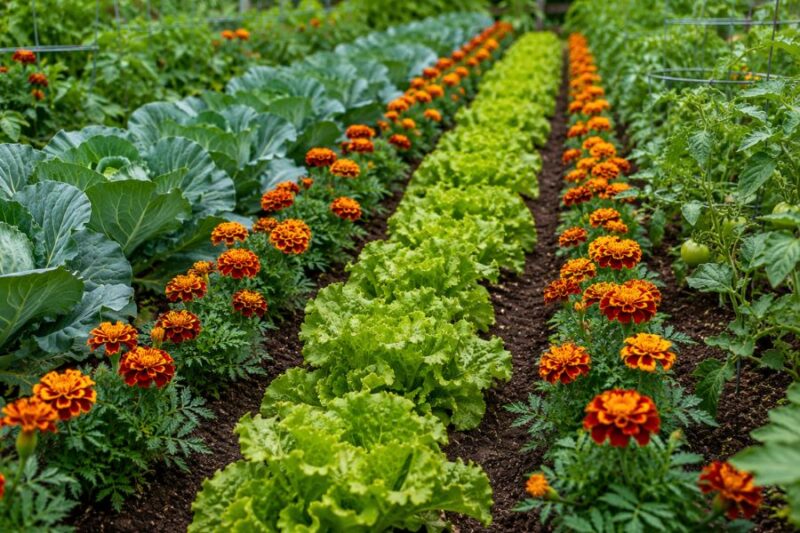
French marigold seeds are one of the most cost-effective investments you can make in your garden’s long-term pest resilience. Tagetes emit a compound through their roots and foliage that repels aphids and whitefly. Plant them among roses, vegetables and soft fruit and they act as a living deterrent throughout the season.
Companion planting is not a quick fix, it is a systemic approach to garden health. The benefits build over time, particularly when combined with other organic methods.
3. Biological Controls: Aphid Predators You Can Introduce
This is where the approach gets genuinely clever. Aphid natural pest controllers introduce parasitic wasps such as Aphidius colemani directly into your garden. These wasps lay eggs inside aphids, killing the host and reproducing naturally within the colony. The result is a self-sustaining predator population rather than a one-off treatment.
For glasshouses and conservatories in particular, biological control is considered best practice by professional horticulturalists because it targets the pest directly without affecting surrounding plant life or soil biology.
4. A Firm Blast of Water
Simple but underused. A strong jet of water directed at infested stems dislodges aphids effectively and, crucially, they rarely find their way back. This works best on established plants where the stems can tolerate the pressure. Do this early in the morning so foliage dries before nightfall, reducing the risk of fungal issues.
5. Encouraging Ladybirds Into Your Garden
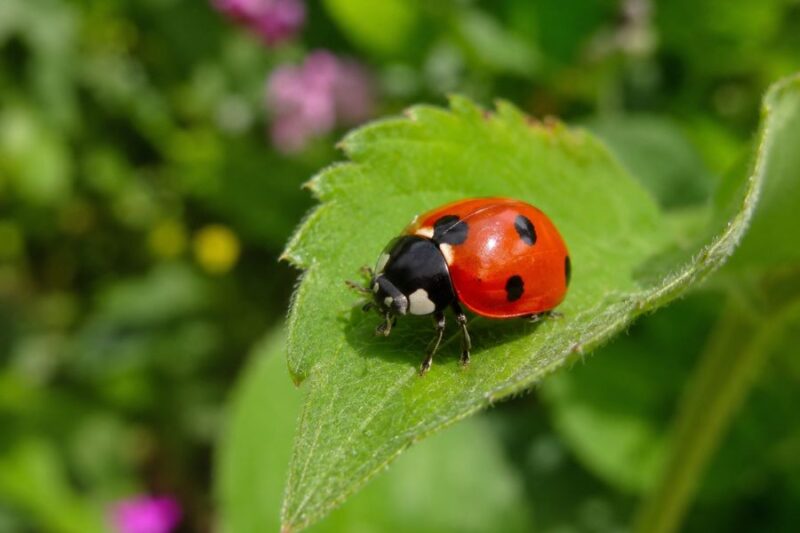
A single adult ladybird can consume up to 5,000 aphids over its lifetime. Encouraging them is one of the most powerful long-term strategies available. You can go further than simply hoping they arrive, ladybirds and larvae are available to introduce directly, giving your garden an immediate predator boost during peak aphid season.
Plant nectar-rich flowers such as fennel, dill and single-flowered dahlias nearby to give adult ladybirds the supplementary food sources they need between aphid colonies.
The Myth That Chemicals Work Better
Many gardeners reach for a synthetic pesticide at the first sign of aphids. It is understandable, the results look immediate. However, broad-spectrum insecticides do not distinguish between pests and predators. They kill ladybirds, lacewings and parasitic wasps along with the aphids, which removes the very predator population that would have kept next year’s aphid pressure in check.
The consequence is a harder infestation the following season, requiring heavier chemical intervention again. Organic methods break this cycle entirely because they work with the garden ecosystem rather than against it.
What Not to Do When Treating Aphids
Do not apply neem oil during full sun or at midday, this causes phytotoxic leaf burn. Avoid spraying open flowers directly to protect pollinators. Do not apply biological controls alongside any pesticide treatment, including organic copper-based sprays, as these can harm the introduced predators.
Patience matters too. Biological controls take seven to fourteen days to establish a visible impact on the population. Trust the process.
Frequently Asked Questions
What is the fastest organic way to get rid of aphids?
A neem oil spray applied directly to infested areas is the fastest-acting organic method. Results are visible within a few days of the first application. Combine it with a water blast for immediate knockdown of the existing colony.
Do ladybirds really control aphids effectively?
Yes, ladybirds are among the most effective natural aphid predators in UK gardens. A single ladybird larva can consume several hundred aphids before it reaches adulthood. Introducing ladybirds and larvae during peak season gives your garden a significant biological advantage.
Will companion planting alone get rid of aphids?
Companion planting is a preventative measure rather than a cure for an established infestation. French marigolds are highly effective at reducing aphid pressure when planted proactively, but if you already have a significant colony, combine them with neem oil treatment and biological controls for best results.
Are organic aphid treatments safe around children and pets?
Neem oil and biological controls are generally considered safe around children and pets when used as directed. Always check product instructions and allow treated areas to dry before allowing contact with foliage.
Put the Right Products to Work This June
Knowing how to get rid of aphids organically in the UK is only useful if you have the right tools ready when the colonies appear and in June, they appear fast. Browse The Natural Gardener’s range of organic pest control products to find everything covered in this guide, from organic neem oil and French marigold seeds to live aphid pest controllers that do the hard work for you. Your garden does not need chemistry, it needs the right biology working in its favour.
< Back to all posts