

Autumn gardening jobs start in August, not September. By the time the leaves begin to turn, the gardeners who planned ahead are already harvesting, their beds are mulched and their spring bulbs are on order. Everyone else is scrambling. This guide gives you a clear week-by-week plan for August so you arrive in autumn ready, not reactive.
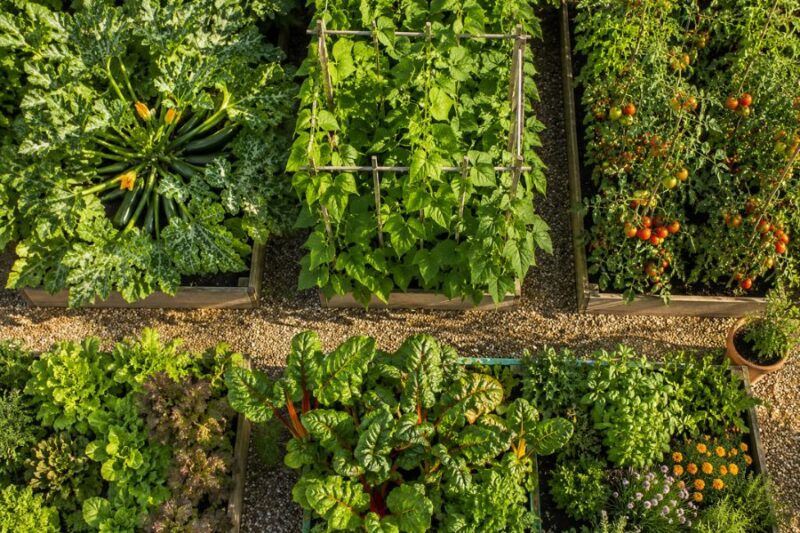
Why August Is the Pivot Point for Autumn Success
Most gardening content treats August as the tail end of summer. It is not. It is the hinge between two seasons, and what you do in these four weeks determines how productive your garden is from September through to November.
The soil is still warm, beneficial nematodes are still active and there is just enough growing time left to squeeze out one more harvest of fast-maturing leaves. Miss this window and you miss it entirely. As a result, treating August with the same urgency as May is one of the most valuable shifts a gardener can make.
Week 1 (1–8 August): Harvest and Feed
The Daily Harvest Habit That Changes Everything
Pick courgettes, beans and tomatoes every single day without exception. A courgette left two days too long becomes a marrow overnight and that signals the plant to stop producing. Daily picking keeps plants in production mode and keeps your kitchen well stocked.
While the soil is still warm enough to absorb nutrients efficiently, top dress hungry plants with biohumus wormcompost. Wormcast releases its nutrients slowly and gently, without the risk of scorching roots, making it ideal for mid-season feeding when plants are under stress from heat and heavy cropping.
This is also the moment to collect seeds from marigolds, poppies and nasturtiums before they scatter. Snip seed heads into a paper bag, label clearly and store somewhere cool and dry. French marigolds in particular are worth saving: they are one of the most effective companion plants for deterring soil pests and growing them from saved seed costs nothing.
Give tomatoes and dahlias a final push of liquid feed now. Once August tips into its final week, the benefit of feeding diminishes as day length shortens. Make this count.
Week 2 (9–15 August): Pests and Protection
Autumn Gardening Jobs That Most Gardeners Miss
Pest control in the second week of August is one of the autumn gardening jobs that separates attentive gardeners from the rest. This is the second vine weevil nematode window: larvae from summer eggs are now in the soil and still small enough to treat effectively. Apply vine weevil nematodes to pots and borders before soil temperatures drop below 5°C and the larvae burrow deeper. Wait too long and you lose the window until spring.
Slug activity builds sharply as the first autumn rains arrive, often in late August. Apply Nemaslug 2.0 now, before you see the damage rather than after. Nematodes need moist soil to move, so applying ahead of autumn rain is genuinely strategic, not just precautionary.
Check brassicas every week throughout August. Cabbage white caterpillars hatch fast in the residual warmth and can strip a plant in days. Inspect the undersides of leaves for clusters of pale yellow eggs and remove them by hand. Vigilance costs nothing and saves your crop.
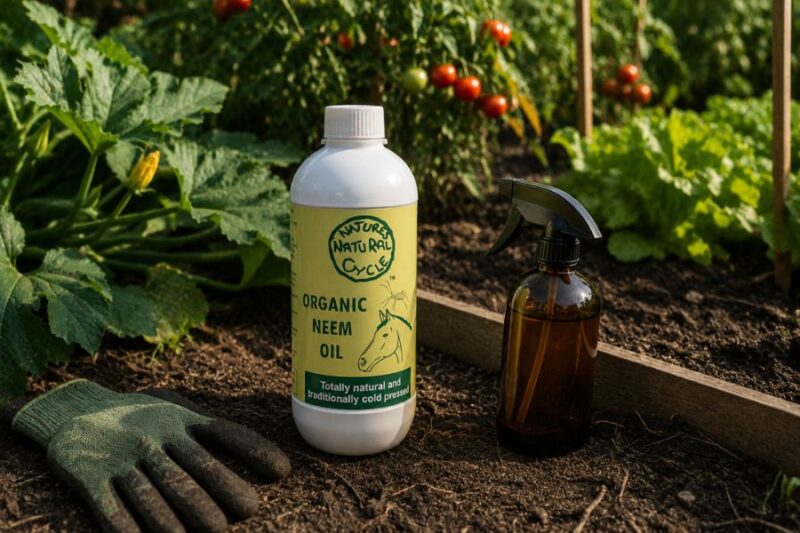
If spider mites or whitefly are still active, an organic neem oil spray will suppress them without harming beneficial insects. Neem works as a systemic deterrent rather than a contact killer, so apply it thoroughly to both sides of the foliage and repeat every seven to ten days.
Week 3 (16–22 August): Sow, Cut Back and Propagate
Getting the Most from Late-Season Sowing
The third week of August is your last realistic chance to sow rocket, spinach and Oriental leaves for an autumn harvest. Sow direct into cleared ground or into coir seedling pots for transplanting in early September. These fast-growing leaves will be ready to pick within five to six weeks, well before the first hard frosts.
Take semi-ripe cuttings from lavender, rosemary and salvia this week. Semi-ripe cuttings taken in late summer root more reliably than softwood cuttings taken in spring, because the stem has had time to firm up and is less susceptible to rot. Dip cut ends in water, then into a little mycorrhizal fungi powder before pushing them into a gritty compost mix. Mycorrhizal fungi dramatically improves rooting rates by extending the effective root surface area from day one.
Cut back any tired perennials that have gone over. This is not about tidying for aesthetics. A hard cut now often triggers a late flush of growth and even a second flush of flowers before the first frost. Pot up strawberry runners that have been rooting in the ground since July. Established in their own coir pots now, they will be strong plants ready to fruit well next summer.
Week 4 (23–31 August): Prepare for Autumn
How to Set Up Your Garden for Spring
Order spring bulbs in the final week of August, not in October. Alliums, narcissi and tulips sell out from specialist suppliers well before the traditional planting window opens and the best varieties go first. Ordering now costs nothing extra and guarantees you get what you actually want.
Clear spent crops and compost the waste. Leaving old brassica stumps or tomato plants standing invites disease and overwinters pests. If plants show signs of blight or club root, bag the material rather than composting it. Healthy debris, however, goes straight onto the heap.
Scatter British meadow wildflower seeds into freshly cleared patches now. Late August and early September offer almost ideal germination conditions: warm soil, increasing moisture and reducing competition from annual weeds. Many native wildflower species actually need a cold period to break dormancy, so sowing now means they experience winter naturally and emerge stronger in spring.
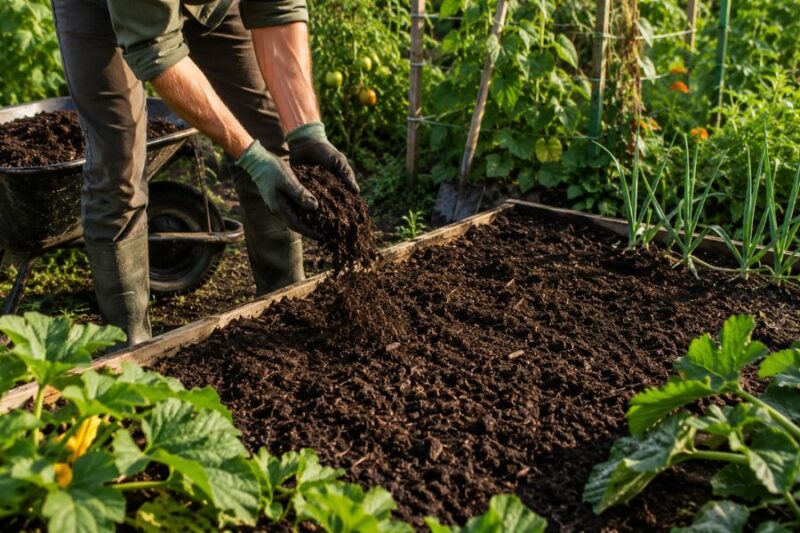
Finally, mulch cleared beds before autumn rain arrives. Rain falling on bare soil compacts the surface, destroys soil structure and washes away nutrients. A layer of organic compost or wormcast applied now will feed the soil over winter, improve drainage and make spring digging far easier. For more on this approach, the no-dig gardening guide explains exactly why protecting your soil surface is one of the highest-return investments you can make.
 Frequently Asked Questions
What are the most important gardening jobs to do in August?
The priority jobs in August are daily harvesting to keep plants productive, applying biological pest controls while soil is still warm and sowing fast-maturing leaves for an autumn crop. Mulching cleared beds before the autumn rains arrive is equally important for soil health.
When should I start thinking about autumn in the garden?
August is the time to start. Soil temperature, pest lifecycles and the remaining growing window all make August the most productive month for transition jobs. Waiting until September means missing several critical treatment and sowing windows.
Can I still sow vegetables in August?
Yes. Rocket, spinach, Oriental leaves and land cress all sow well in August and will crop before the first frosts. Sow into warm soil in the third week of August at the latest for reliable results. Fast-maturing varieties will be ready in as little as five weeks.
Is August too late to treat vine weevil?
No. The second treatment window opens in August when larvae from summer eggs are newly hatched and close to the soil surface. Apply vine weevil nematodes in mid-August while soil temperatures remain above 5°C for the best results.