

A non-toxic wood treatment is the only sensible choice for timber touching soil you grow food in, because most garden preservatives still carry biocides the label is not obliged to make obvious. Everywhere else you have more latitude than the marketing suggests.
If you have built raised beds and the boards have gone silver along the top edge, you are probably stood in front of a shelf of tins working out which ones can go next to lettuce. The labels will not tell you.
This piece covers what the law says, how one properly non-toxic option works and, more usefully, the four things it will not do.
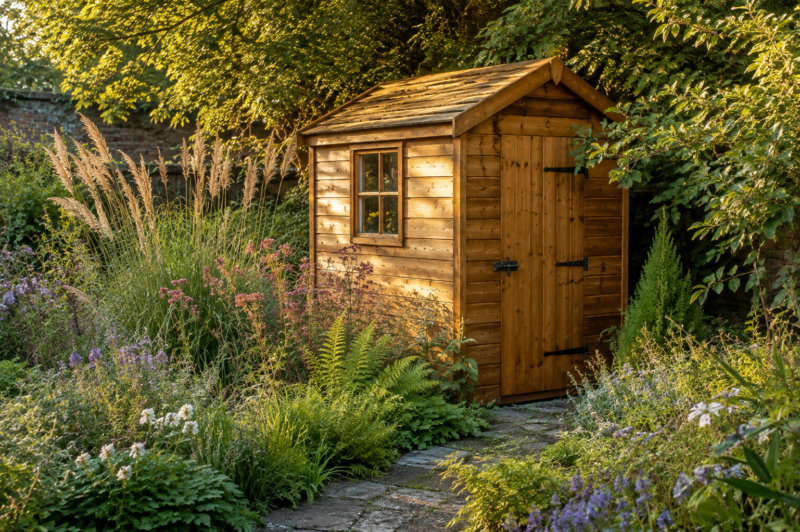
What Changed With Creosote
Creosote disappeared from garden centres under the Creosote (Prohibition on Use and Marketing) Regulations 2003, which stopped its sale to the public and restricted treatment of wood to industrial and professional use. Most gardeners assume the story ended there.
It did not. HSE renewed creosote approval in Great Britain from 1 April 2026, running to 31 March 2033, though only for railway sleepers, transmission poles and safety-critical fencing. Further restrictions from April 2027 remove general fencing, landscaping timbers and tree stakes from the permitted list.
For a gardener the practical point sits in UK REACH rather than in either decision. Wood legally treated with creosote cannot be used in parks, gardens or playgrounds where skin contact is likely. Reclaimed sleepers for raised beds have been a bad idea for years.
Why a non-toxic wood treatment matters most beside a vegetable bed
A modern water-based preservative on a boundary fence twenty metres from your crops is not worth losing sleep over. The case for going further is specific rather than general.
It applies where timber sits in permanent contact with soil you are actively feeding and growing food in. It applies wherever a repeated biocide application would work against the biology you are building. Raised beds, cold frames, compost bins and fruit cages are the whole list. Treat the shed with whatever you like.
How LifeTime Works As A Non-Toxic Wood Treatment
LifeTime Wood Treatment arrives as a dry powder concentrate that you mix with water. Valhalla Wood Preservatives in New Denver, British Columbia describe it as naturally occurring plant and mineral substances combined in a family recipe passed down through three generations of woodworking craftsmen.
The solution soaks into the timber and hardens the wood fibres. It does not seal the surface. No film means nothing to crack or peel. The wood carries on breathing and weathering.
Treated timber develops a patina running from silver to dark brown depending on the species. Valhalla present that weathering as the protective mechanism itself rather than as cosmetic ageing. They say it carries high UV protection.
Two claims are worth separating from the marketing. Valhalla state that independent laboratory testing found no harmful residue in soil or water, which is a testable claim. They also state that treated wood lasts at least twice as long as untreated, which is their own figure and worth reading as such.
The reference customers carry more weight than either. Parks Canada have used it for over twenty years across Banff, Kootenay and Yoho. The City of Calgary use it on roadside sound barrier fencing.
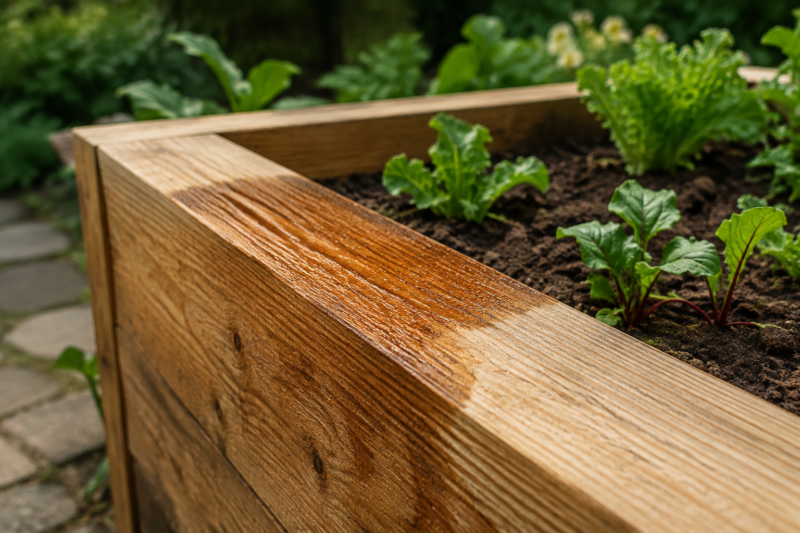
Four Things It Will Not Do
Every product page covers the upside. These are the limitations, taken from the manufacturer.
It will not stop cracking or warping. Valhalla are explicit that treated wood reacts to sun and wind exactly as untreated wood does. Anyone expecting dimensional stability will be disappointed.
It goes on bare wood only. Previously painted, stained or sealed timber has to come back to bare before you start. Valhalla advise against steel wool or a wire brush for that job.
It stains almost everything else permanently. Fabric, glass, vinyl, stucco, concrete and stonework all mark. Mask paving and mask it properly, because this is where most people come unstuck.
It does not suit every timber or every location. Fire retardant treated wood is ruled out entirely. Bird droppings and urine discolour the finish noticeably, which is worth knowing before you treat a coop or a dog run.
How To Apply It
One coat is the whole job. Apply it by brush, roller, sprayer or dipping, in any weather above freezing that is not heavy rain, avoiding direct sunlight.
- Mix only what you need. The dry powder stores indefinitely, the mixed solution keeps in a sealed container out of sunlight.
- One gallon covers roughly 14 to 18 square metres. Five gallons covers roughly 70 to 92 square metres.
- Posts and any timber going into the ground need at least two days fully immersed in a dipping tank, not a brushed coat.
- Keep a bucket of solution beside you while building so fresh cuts and board ends can go straight in.
- Handle the wood while still wet. It never goes tacky. Footprints and fingerprints will not mark it.
- To bring the patina on faster, let it dry for a day or two then wet it down again. Repeated wetting and sun accelerate the colour change.
- Clean brushes with warm soapy water. No solvents are needed at any stage.
After that the maintenance is a wash. Valhalla recommend cleaning treated structures once a year with soap, water and a stiff brush. No sealer or stain goes over the top. For the shorter product overview, our introduction to LifeTime Wood Treatment covers the basics.
[IMAGE: Fence post standing in a dipping tank of wood treatment solution]
Frequently Asked Questions
Is it safe for raised beds growing vegetables?
Yes. It is one of the few treatments suitable for timber in direct contact with soil that grows food. The manufacturer cite independent laboratory testing showing no harmful residue in soil or water. Treat the boards before you fill the bed.
Do you have to reapply it?
Valhalla say no, on the basis that the treatment penetrates and cannot wear off, peel or fade. Reapplication only comes up where you cut into treated timber and expose fresh wood.
Can you paint or stain over it?
You can, though the manufacturer advise against it because it adds nothing to preservation. Oil-based and latex products may reduce how well the treatment performs. Test a small area first.
What colour does the wood end up?
Somewhere between silver and dark brown. The species decides. Pine tends towards greyish silver, fir towards brown and cedar towards a reddish tone.
Where This Leaves You
If your timber is a fence at the far end of the plot, a non-toxic wood treatment is a preference. If it is holding soil you grow food in, it is the only option that fits alongside no dig gardening, peat-free growing and the eco friendly gardening tips we return to across this site.
We stock LifeTime Wood Treatment in one gallon and five gallon pouches from £15.55, on the same basis as the copper gardening tools and everything else we sell in Knowbury: it does one job, it does it once and it will not undo the sustainable gardening you have spent years getting right.
< Back to all posts