

Knowing how to save seeds in a UK garden is one of the simplest, most powerful things you can do as a gardener and one of the most overlooked. It closes Nature’s Natural Cycle completely. Nothing is wasted, nothing is bought twice and the plants you grow next year will be better adapted to your soil, your microclimate and your conditions than anything that arrived in a packet from a warehouse.
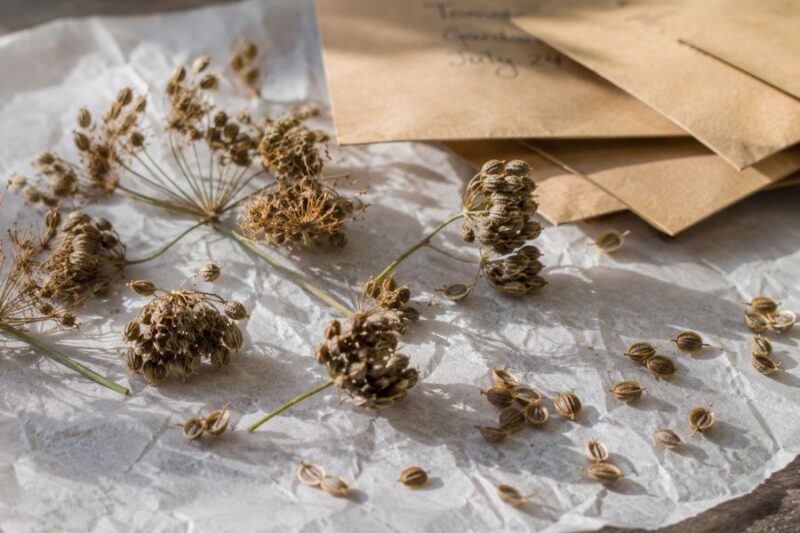
This is not complicated. However, it does require understanding a few fundamentals before you start snipping seed heads into plastic bags and wondering why nothing germinated. Get the basics right and seed saving becomes a rhythm part of how the garden breathes from one year to the next.
Why Seed Saving Is a Radical Act of Sustainable Gardening
Commercial seed production is increasingly dominated by a small number of corporations. According to research published by ETC Group, just four companies now control over 50% of the global commercial seed market. As a result, genetic diversity in food crops has narrowed dramatically over the last century.
Saving your own seed pushes back against that. It preserves heirloom and open-pollinated varieties that carry genuine flavour, resilience and character. It reduces plastic packaging, eliminates the carbon cost of distribution and keeps your garden genuinely self-sufficient.
For organic gardeners, it also means seeds that have never been treated with fungicide coatings or grown in chemically managed systems. That matters, particularly if you are pairing saved seed with peat-free coir compost discs and building a growing system that is genuinely clean from the start.
Which Seeds Can You Save and Which Should You Avoid?
Open-Pollinated Varieties vs F1 Hybrids
This is the single most important thing to understand before you begin. Open-pollinated plants including heirloom and heritage varieties, produce seeds that grow true to type. The offspring will resemble the parent plant reliably. These are the seeds worth saving.
F1 hybrids are different. They are the result of crossing two distinct parent lines under controlled conditions to produce a plant with specific commercial traits. If you save seed from an F1 hybrid, the next generation will not grow true, you will get unpredictable results, often reverting to weaker parent characteristics. Check your seed packets before you start. If it says ‘F1’, leave it.
Open-pollinated varieties will typically say nothing at all, or they will carry terms like ‘heritage’, ‘heirloom’ or ‘traditional’. When in doubt, research the variety name.
The Easiest Seeds to Save First
If you are just starting out with how to save seeds in a UK garden, begin with these:
Tomatoes are self-pollinating, which means cross-contamination between varieties is minimal. Scoop the gel and seeds into a small jar of water, leave for two to three days to ferment (this removes the germination-inhibiting gel coating), then rinse, dry on a ceramic plate and store.
Runner beans and French beans are among the easiest of all. Simply leave a few pods on the plant until they are dry, papery and rattling. Pick them, remove the seeds and dry for another week indoors before storing.
Courgettes and squash produce large seeds that are easy to clean and dry. Allow the fruit to mature fully, beyond the eating stage, before scooping and washing the seeds.
Peas follow the same logic as beans. Leave some pods on the plant to dry fully, then shell and store.
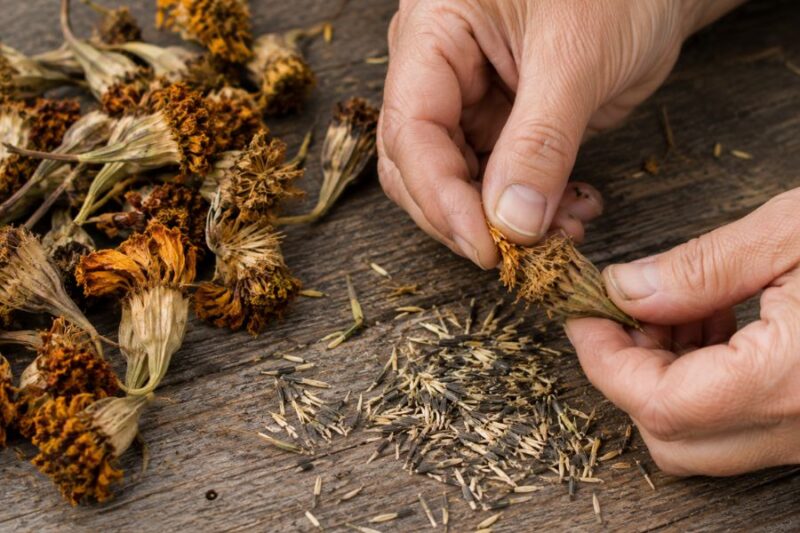
French marigolds are a particular favourite for seed savers. Let the flower heads go brown and dry on the plant, then pinch the seed heads and pull the seeds free. They store beautifully and germinate reliably the following spring. Our French Marigold seeds are open-pollinated, which means any seeds you save from them will grow true, a genuinely virtuous cycle.
How to Harvest, Dry and Store Seeds Properly
The Paper Envelope Rule
Never store seeds in plastic. Moisture trapped in a sealed plastic bag will cause mould and kill viability within weeks. Use paper envelopes, the small brown coin envelopes available from most stationers work perfectly. Write the variety name, the plant type and the harvest year on every envelope. Seeds from unmarked envelopes become a source of frustration, not joy.
Drying Seeds Correctly
The key variable is moisture. Seeds must be thoroughly dry before storage, any residual moisture accelerates decay and reduces germination rates. Spread seeds in a single layer on a ceramic plate or a sheet of paper (not kitchen roll, which sticks) and leave in a warm, airy room out of direct sunlight for one to two weeks. For larger seeds like beans and peas, two weeks is the safer option.
Once dry, place in your paper envelopes and store in a cool, dark and consistent environment. A tin in a cool cupboard or a drawer away from the kitchen heat is ideal. Many gardeners add a small silica gel sachet to their seed tin to absorb any residual moisture.
How Long Do Saved Seeds Last?
Viability varies considerably by species. Onion and parsnip seed are notoriously short-lived — use them within a year. Tomatoes, beans and peas stored correctly will remain viable for three to five years. Marigold seeds typically last two to three years. Always do a germination test on older seeds before committing an entire bed to them: place ten seeds on damp kitchen roll, fold over and leave for a week. Count how many sprout, and you will know your germination rate.
What to Do in July: Letting Plants Go to Seed
July is when seed saving becomes active in the UK garden. This is the point at which many gardeners instinctively deadhead to prolong flowering but select a few plants to leave, and you shift the dynamic entirely.
Leave a few French marigold plants to set seed fully. Leave some bean pods to dry on the vine. Allow a courgette to grow beyond eating size and ripen to full maturity. Mark these plants with a small cane or tie so you do not accidentally harvest them.
By August, most of these seed heads and pods will be ready to collect. The window between fully ripe and lost to wind, rain or birds is shorter than most gardeners expect, check every few days once the drying process begins.
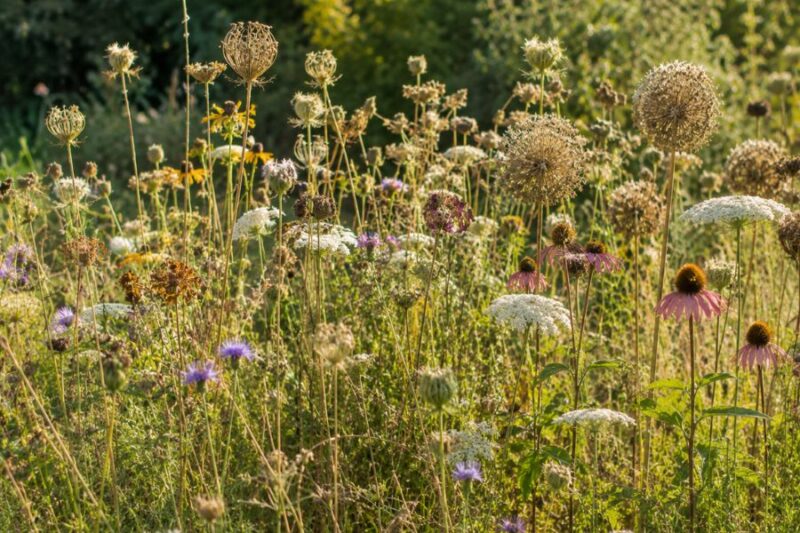
This is also the moment to think about next year’s wildflower patch. If you are growing British meadow wildflower seeds, allow a section of your meadow to set seed naturally and fall back to the soil. Many native wildflower species self-seed readily when left undisturbed — nature’s own version of the process.
Starting Seeds the Following Year: Getting Your Setup Right
When spring arrives and it is time to germinate your saved seed, the growing medium matters as much as the seed itself. Starting in biodegradable coir pots means you can transplant the whole pot without disturbing the roots, a significant advantage with fragile seedlings and tap-rooted plants like beans and courgettes. The pot breaks down in the soil, contributing organic matter rather than leaving plastic fragments behind.
This is what closing the natural cycle actually looks like in practice. Saved seed, peat-free growing medium, biodegradable containers, no chemical inputs. The garden feeds itself.
Frequently Asked Questions
Can you save seeds from supermarket vegetables?
You can try, but most supermarket produce comes from F1 hybrid varieties, which means saved seeds will not grow true to the parent. Heritage and open-pollinated varieties from specialist seed suppliers are a far better source for seed saving.
When is the best time to collect seeds in the UK?
Most vegetable and flower seeds are ready to collect from July through to September, depending on the plant. The seed head or pod should be fully dry and brown before harvest. Collecting too early — when seeds are still green or soft — will dramatically reduce viability.
Do saved seeds need to be dried before storing?
Yes, always. Seeds with any residual moisture will develop mould in storage and lose viability quickly. Dry on a plate in a warm room for one to two weeks before transferring to paper envelopes and storing in a cool, dark place.
Does seed saving work for wildflowers?
Absolutely. Many native British wildflower species are open-pollinated and self-seed freely. Allowing a section of a wildflower meadow to set seed naturally is one of the most low-effort and ecologically valuable things a UK gardener can do.
Start Saving, Stop Buying
Knowing how to save seeds in a UK garden is not just a practical skill — it is a philosophy. It means trusting the garden to provide, reducing dependence on commercial supply chains and building something genuinely self-renewing. Start with marigolds, beans or tomatoes this summer. Dry them properly, store them in paper and label everything. By next spring, you will have seed that is adapted, affordable and entirely your own.
Explore our range of open-pollinated French Marigold seeds, British meadow wildflower seeds and biodegradable coir pots — everything you need to close the cycle completely.
< Back to all posts