

Why are my tomato leaves turning yellow UK gardeners ask every summer and the answer is almost always one of five fixable problems. Yellowing leaves are your plant’s earliest distress signal, and catching the cause quickly can mean the difference between a bumper harvest and a blighted crop.
The 5 Most Common Causes of Yellow Tomato Leaves
Understanding why yellowing happens means looking closely at where on the plant it starts, how the colour changes and when it appears in the growing season. Each pattern tells a different story.
Lower Leaves vs Upper Leaves: Pattern Is Everything
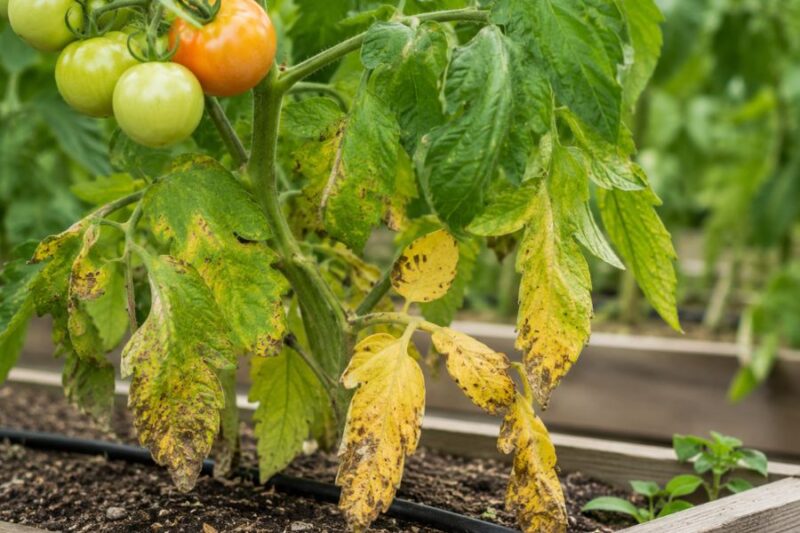
Yellowing that begins on the lower, older leaves and works its way up is almost always a nutrient issue, typically a magnesium or nitrogen deficiency. The plant redirects these mobile nutrients towards new growth, leaving the older foliage to fade first.
Yellowing that appears on upper or younger leaves, however, points towards something different: iron or calcium deficiency, or in some cases a viral problem. If the yellowing is patchy, with brown edges or dark lesions, blight becomes the more likely suspect. Never assume and read the pattern before reaching for a remedy.
Nutrient Deficiency: The Most Fixable Cause
Magnesium deficiency is particularly common in UK container-grown tomatoes, where nutrients leach out with every watering. You will typically see interveinal chlorosis – yellowing between the leaf veins while the veins themselves remain green. It looks striking and it spreads fast if left unaddressed.
How to Fix Tomato Nutrient Deficiency Organically
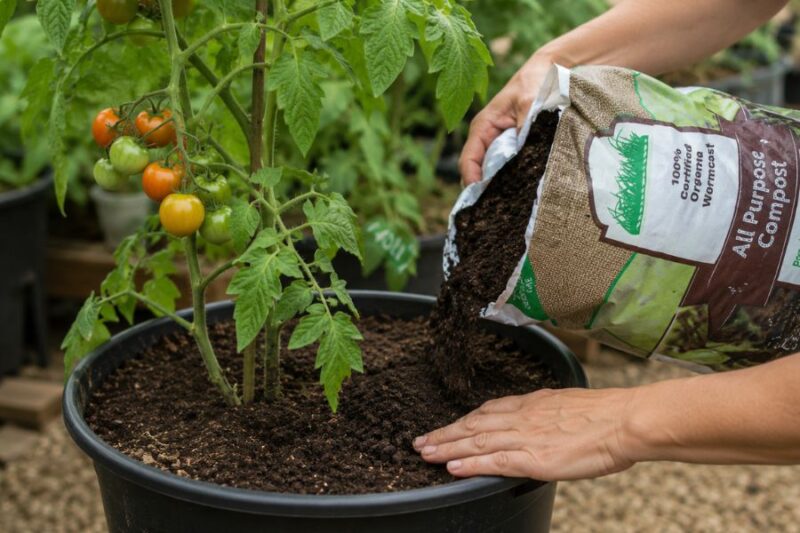
The fastest organic remedy is a top dressing of Biohumus Wormcompost, worked gently into the surface around the base of the plant. Wormcompost releases a broad spectrum of plant-available nutrients slowly and consistently, which means it corrects existing deficiencies while building long-term soil health.
Alongside this, a liquid feed of Seaweed Granules dissolved in water delivers a natural source of magnesium, trace minerals and growth-stimulating compounds directly to the roots. Seaweed feed is particularly effective mid-season when tomatoes are in heavy fruit production and nutrient demand is at its peak.
The real insight here is prevention. Gardeners who begin feeding with organic amendments before symptoms appear rarely face serious yellowing. A consistent programme of wormcompost and seaweed feeding from the point of planting outperforms any reactive treatment.
Overwatering and Underwatering: Getting the Balance Right
Both watering extremes cause yellow leaves, which is why this one confuses so many gardeners. Overwatering drives out oxygen from the soil, causing root stress that mimics nutrient deficiency at the leaf level. Underwatering causes the plant to shut down its oldest leaves first to conserve moisture for new growth.
When and How Much to Water Tomatoes in the UK
Container-grown tomatoes are most at risk because the limited compost volume dries out quickly in warm weather but can also become waterlogged after a spell of rain. In outdoor UK conditions, water in the morning so the soil surface dries before evening, this reduces the risk of fungal disease taking hold.
A simple finger test works well: push a finger two centimetres into the compost. If it feels dry at that depth, water thoroughly until it drains from the base. If it still feels moist, leave it another day. Consistency matters more than volume and irregular watering is one of the most common contributors to blossom end rot as well as leaf yellowing.
Blight: Identifying and Acting Fast
Tomato blight – caused by the pathogen Phytophthora infestans, is a serious threat in the UK, particularly during warm, wet summers. According to the RHS, late blight spreads rapidly in temperatures between 10°C and 25°C with high humidity, which describes a typical British August perfectly.
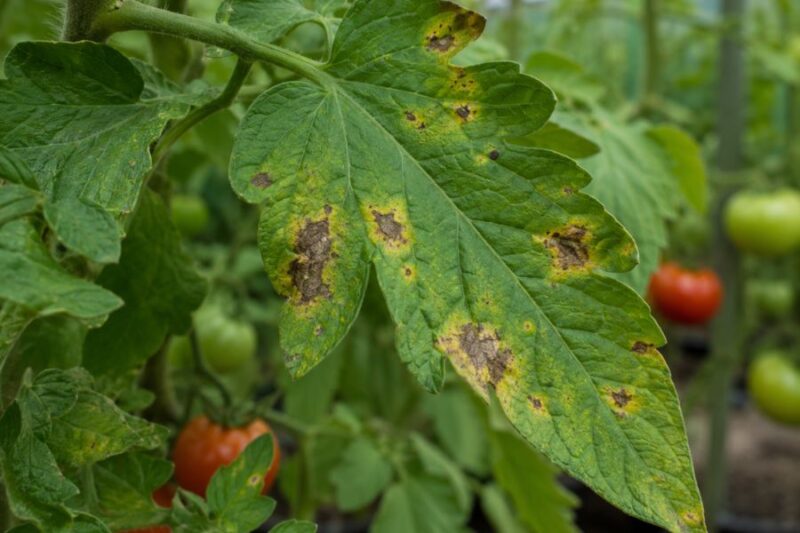
Blight presents as dark brown or black patches on leaves, often with a pale yellow halo around the edge. It progresses quickly from leaf to stem to fruit. If you identify blight, remove the affected leaves immediately and dispose of them in general waste – not the compost bin. Do not wait to see whether it spreads.
Organic growers can use Organic Neem Oil as part of a preventative spray programme. Neem has well-documented antifungal properties and, applied regularly from early in the season, can reduce the conditions that allow blight to take hold. It will not cure an established infection, however – early removal of affected material remains essential.
Spider Mites: The Invisible Culprit
Red spider mites are a common greenhouse pest that cause stippled, pale yellow leaves with a fine webbing visible on the undersides. They thrive in hot, dry conditions and can overwhelm a tomato plant surprisingly quickly if populations build up unchecked.
Neem oil used as a spray is an effective organic control for mild infestations. For more established problems, a biological control approach using natural pest controllers is highly effective and avoids any chemical residue on edible crops. Increasing humidity around the plants and keeping them well-watered also discourages spider mite proliferation significantly.
Organic Feeding Prevents Most Problems Before They Start
The clearest pattern among experienced organic tomato growers is that healthy, well-fed plants resist stress more effectively. Deficiency, disease susceptibility and pest vulnerability all increase when soil biology is poor. Regular use of organic compost and fertilisers from the outset creates the conditions where these problems simply occur less often.
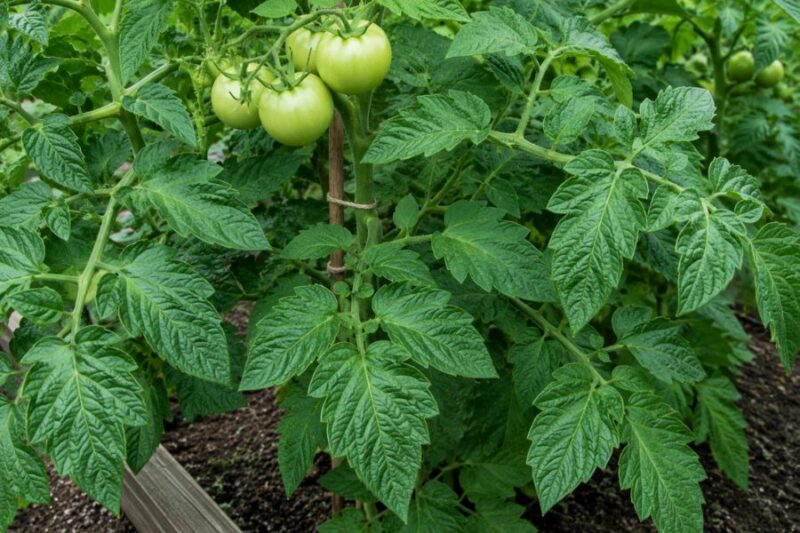
This is The Natural Gardener’s approach: feeding the soil, not just the plant. It produces stronger root systems, better nutrient uptake and foliage that stays green through the season rather than signalling distress in July.
Frequently Asked Questions
Should I remove yellow leaves from my tomato plant?
Yes, in most cases. Removing yellowed lower leaves improves airflow and reduces the risk of fungal disease spreading upwards through the plant. Always use clean scissors or secateurs and dispose of removed leaves responsibly.
Can yellow tomato leaves turn green again?
If the cause is a correctable nutrient deficiency and it is caught early, new growth will emerge healthy and green. However, leaves that have already yellowed significantly will not fully recover – the goal is to halt the progression and protect the rest of the plant.
Is yellowing caused by too much sun?
Scorching from direct sun typically causes bleached or white patches rather than uniform yellowing. True yellowing is almost always caused by one of the five factors above: nutrients, water, blight, spider mites or a combination of these.
Why do my tomato leaves turn yellow after repotting?
Transplant shock can cause temporary yellowing as the roots re-establish. However, if yellowing persists beyond a week or two, check that the new compost is nutrient-rich and that watering is consistent. A light application of Biohumus Wormcompost at this stage can support recovery effectively.
Give Your Tomatoes the Organic Advantage
If you are asking why are my tomato leaves turning yellow UK, the good news is that the cause is almost always identifiable and the solution is straightforward when you use the right organic inputs. Feed the soil consistently, water with care and act quickly at the first sign of blight or pest activity.
Explore The Natural Gardener’s full range of soil enhancers and organic fertilisers to build a feeding programme that keeps your tomatoes healthy from planting to harvest.
< Back to all posts