

July gardening jobs in the UK demand more from you than any other month because July demands more from your garden than any other month. Everything you sowed in March and planted out in May has arrived at once, and the pace of growth, harvest and competition from pests means a week of inattention can cost you real results.
This is your week-by-week plan to stay on top of it.
What Are the Key July Gardening Jobs in the UK?
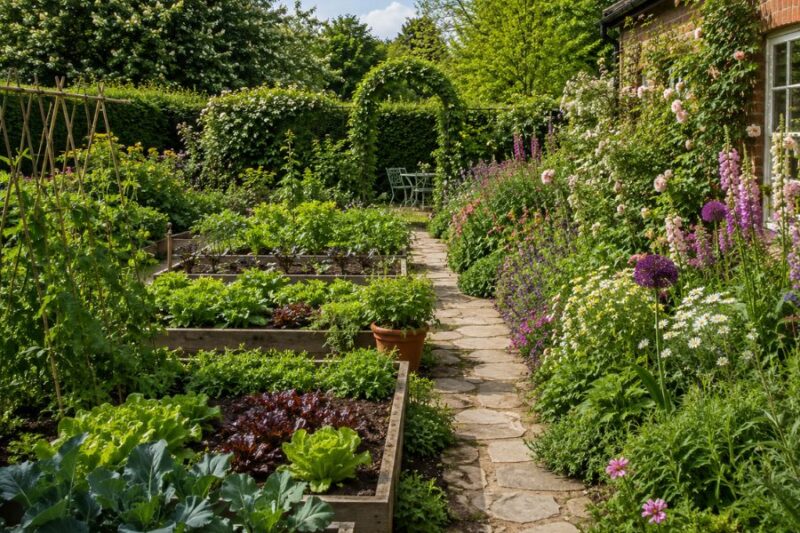
July is the pinnacle of the British gardening year. Crops are at peak harvest, borders are at full stride and pollinators are at their busiest. The challenge is not getting things to grow, everything is growing at maximum speed. The challenge is keeping pace with it.
The jobs that matter most this month fall into four categories: harvesting and pruning, pest and disease management, watering and feeding, and preparing the ground for late-summer sowing. Handle these in sequence each week and your garden will reward you with continuous harvests and healthy growth right through to autumn.
Week One: Harvest Hard, Prune Early
The first week of July sets the rhythm for the month. Your priority is harvesting regularly and ruthlessly.
Courgettes left unharvested for three days become marrows. French beans toughen and stop producing if you leave them on the plant too long. Strawberries rot within hours of ripening in warm, humid conditions. Pick everything at peak, not because it looks ready, but before it goes over.
Soft Fruit and Herb Management
Finish harvesting summer-fruiting raspberries this week and cut all the canes that have fruited right down to the base. New canes for next year are already growing; tie them in loosely to give them direction. Gooseberries and redcurrants are also ripe now – pick them before birds take the crop entirely.
Herbs need cutting back hard in week one. Chives, mint, lemon balm and marjoram all benefit from a cut to half their height. This prevents premature flowering, keeps growth compact and encourages a fresh flush of young leaves through August.
Week Two: Pest Control Without Chemicals
The second week of July is when pest pressure typically peaks in UK gardens. Aphid colonies reach their highest density. Vine weevils are active in containers. Slugs exploit any moisture retained in the soil after evening watering.
This is exactly the point at which gardeners are tempted to reach for chemical controls and exactly the point at which natural alternatives prove their worth.
How to Control Garden Pests Naturally in July
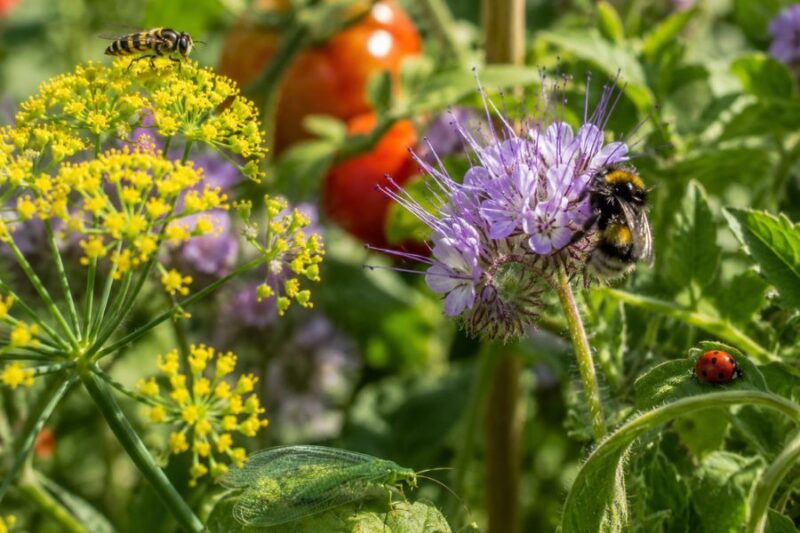
Aphid natural pest controllers – beneficial insects introduced to affected plants which can bring aphid infestations under control within days without any chemical intervention. For slug pressure on brassicas, salad crops and hostas, Nemaslug 2.0 provides effective, wildlife-safe control using naturally occurring nematodes applied in solution to moist soil.
Container plants showing signs of vine weevil damage, notched leaf margins or sudden wilting – respond well to vine weevil nematodes applied directly to the compost. The soil temperature in July is ideal for nematode activity, making this the best month to treat.
French marigolds planted as companions among tomatoes, brassicas and salad crops are a simple, low-cost deterrent for whitefly and aphids. French marigold seeds sown now will establish quickly enough to provide useful cover through August.
Week Three: Watering, Feeding and Soil Health
By week three, the cumulative effect of summer heat on soil moisture becomes critical. According to the Met Office, July 2024 produced above-average temperatures across much of England and Wales – a pattern that has become increasingly typical and one that gardeners need to plan around rather than react to.
Water in the early morning or late evening to minimise evaporation. Water deeply and infrequently rather than little and often, which encourages shallow rooting. Mulching around plants now – using organic material or coir mulch mats around individual plants – dramatically reduces moisture loss and suppresses weed germination at the same time.
Feeding Crops at Peak Growth
Tomatoes, peppers and aubergines need potassium-rich feeding every week once flowers have set. Courgettes, squash and beans benefit from a balanced feed. Avoid high-nitrogen feeds on fruiting crops at this stage – they will push leafy growth at the expense of yield.
Seaweed granules applied around established plants provide a balanced trace element boost that supports cell wall strength and disease resistance – both of which matter when temperatures are high and plants are under pressure. For container plants, a liquid feed such as vermicompost soil extract delivers immediately available nutrition without the salt build-up that synthetic feeds can cause in pots.
Week Four: Sow for Autumn, Support Wildlife
The final week of July is the one most gardeners overlook. With borders at their peak and the harvest flowing, it feels premature to think about autumn. However, what you sow this week determines what you eat and enjoy in September and October.
What Should I Sow in July in the UK?
Sow spring cabbages, pak choi and Oriental salad leaves now for autumn harvest. Sow successional rows of salad rocket, spinach and land cress – crops that bolt in June but thrive in the shortening days ahead. Sow beetroot for a late-autumn pull. Start overwintering onions from seed if you want to avoid sets in autumn.
This is also the week to think about your lawn. If the heat has left patches of bare or yellowing turf, Supreme Green lawn seed can be sown now into prepared, moist ground. Overseed thin areas and water in – the warm soil temperatures of late July give seed the best germination conditions of the year outside of spring.
Supporting Pollinators in Peak Season
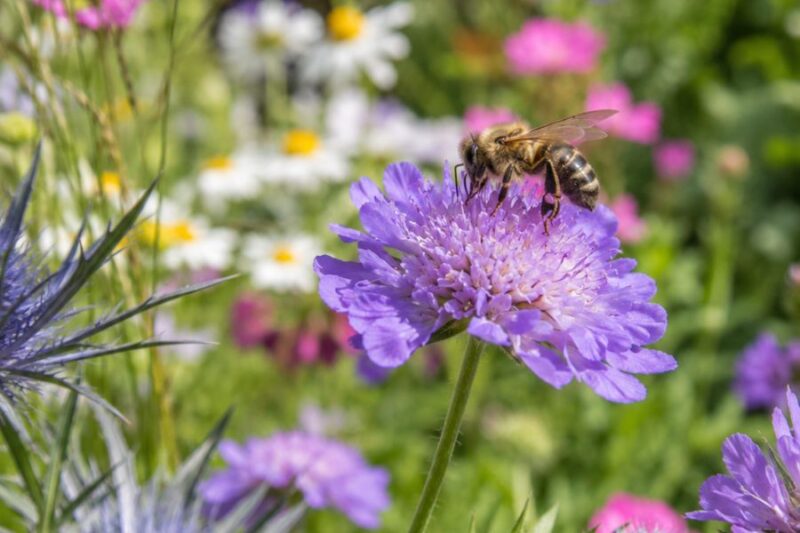
July is the most important month of the year for pollinators, and what you do in your garden directly affects the populations that will return next year. Allow areas of the lawn to grow between cuts. Leave seedheads on herbs that have bolted. Ensure there is water available like a shallow dish kept filled is enough.
Sowing meadow wildflower seeds into a prepared patch now will establish plants ready to flower next summer. It is a small act with a disproportionate return for biodiversity.
Frequently Asked Questions
What are the most important gardening jobs to do in July in the UK?
The priorities in July are harvesting regularly to keep plants productive, managing pest pressure using natural controls, watering deeply in the early morning or evening and sowing for autumn crops in the final week of the month. Staying on a weekly rhythm prevents any single task from becoming overwhelming.
Should I feed my plants in July?
Yes – July is the peak feeding period for fruiting crops. Tomatoes, peppers and courgettes all need regular feeding once in fruit. Use a potassium-rich feed for fruiting vegetables and a balanced organic feed such as seaweed granules or liquid wormcast extract for general plants and containers. Avoid high-nitrogen feeds on anything you want to harvest.
Is July too late to sow vegetables in the UK?
No. The final week of July is an ideal time to sow fast-maturing crops for autumn harvest, including salad leaves, spinach, pak choi, spring cabbage and beetroot. Soil temperatures are high, which speeds germination, and the shortening days of August and September slow the tendency of these crops to bolt.
What pests are most active in UK gardens in July?
Aphids, slugs, vine weevils in containers and cabbage white butterfly caterpillars are all at peak activity in July. Natural controls including beneficial insects, nematodes and companion planting with French marigolds are highly effective at this time of year and cause no harm to the broader garden ecosystem.
Make the Most of July
July gardening jobs in the UK reward gardeners who treat the month as a sequence rather than a to-do list. Week by week, the focus shifts from harvest and pruning to pest management, then to feeding and soil health, and finally to sowing for the season ahead. Follow that rhythm and July delivers everything it promises.
The Natural Gardener’s range of organic pest and weed control products, soil enhancers and natural fertilisers gives you the tools to manage all of it without reaching for a single chemical. Explore the full range and keep your garden growing on its own terms.
< Back to all posts