

Knowing how to water your garden in summer in the UK can make the difference between plants that thrive and plants that quietly struggle. Most gardeners water too often, at the wrong time and in ways that waste moisture before it ever reaches the roots.
The good news is that with a few adjustments to your approach and the right organic materials in place, your garden can hold onto water far more effectively, reducing the effort you put in and the damage dry spells cause.
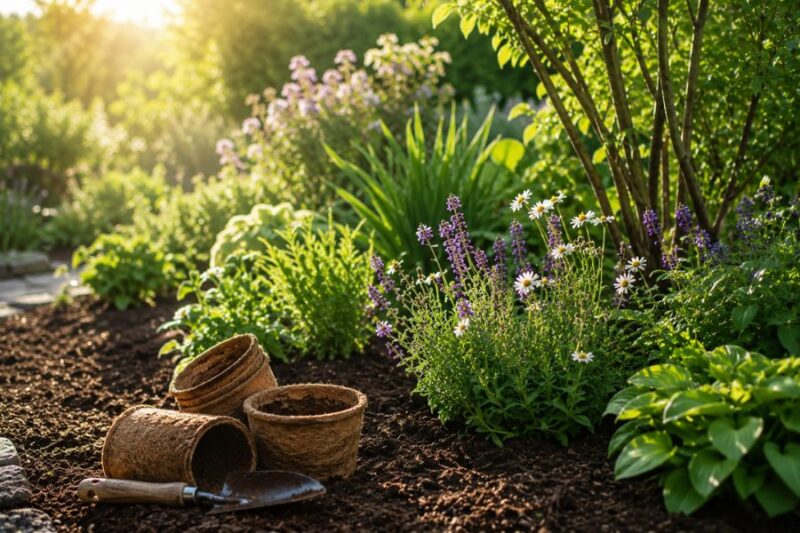
How to Water Your Garden in Summer UK: Getting the Timing Right
The single most important variable in summer watering is timing and most gardeners get it wrong.
Why Early Morning Is the Best Time to Water
Water your garden in the early morning, ideally before 9am. The soil is cooler, which means moisture penetrates more deeply before the heat of the day drives evaporation. Your plants absorb water gradually as temperatures rise, which is exactly how they are designed to work.
Evening watering is a common mistake. It leaves moisture sitting on foliage and at the soil surface overnight, creating the warm, damp conditions that fungal diseases, including powdery mildew and botrytis which need to take hold. The Royal Horticultural Society consistently recommends morning watering for this reason, and it is advice worth taking seriously in the UK’s increasingly warm summer conditions.
Deep Watering vs Frequent Shallow Watering
If you give your garden a light sprinkle every day, you are training your plants to be fragile. Shallow, frequent watering keeps moisture in the top few centimeters of soil, which is where it evaporates fastest. Roots follow water downward so if water never penetrates deeply, roots stay shallow and vulnerable.
How to Build Drought-Resilient Root Systems
Water deeply and less often. A thorough soaking two or three times a week encourages roots to travel down into cooler, moister layers of soil. This builds genuine drought resilience, because those roots can access water reserves even during a dry spell. Established plants watered this way will withstand a week of heat far better than plants fed daily drips.
Direct your water at the base of the plant, not the leaves. A watering can with a long neck is more effective for this than a hose set to spray. It is a slower process, but the results speak for themselves.
How Mulch Mats Lock Moisture Into the Soil
One of the most practical things you can do before a heatwave arrives is Mulch. Mulch acts as an insulating layer on the soil surface, significantly slowing evaporation and regulating soil temperature.
The Organic Alternative to Plastic Sheeting
Organic coir mulch mats are among the most effective tools for moisture retention available to UK gardeners. Unlike plastic sheeting, they allow air and rainwater to pass through while still suppressing weeds and reducing moisture loss. They break down naturally over time, feeding the soil rather than polluting it.
Place mulch mats around the base of established plants, fruit trees or vegetable beds in late spring before the dry months begin. You will water less frequently which means you will also stress your plants less.
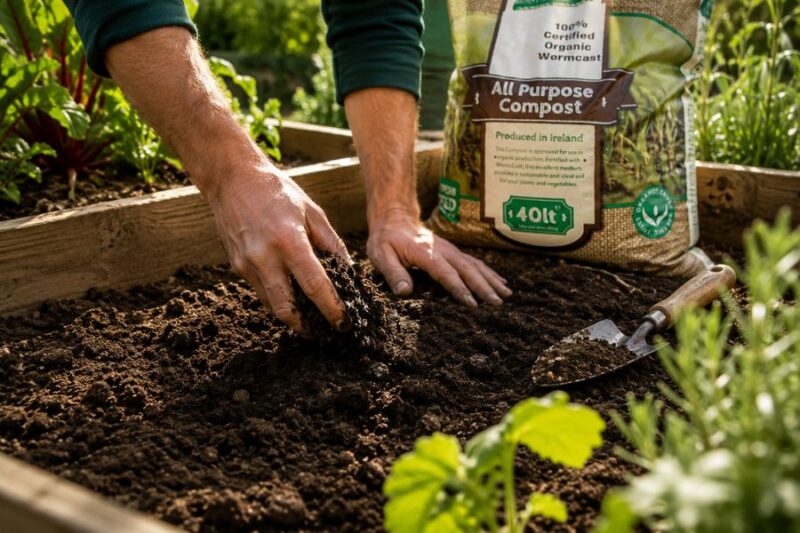
Coir Pots vs Plastic: Why the Container Matters
The type of pot you use affects how your plants experience water. Plastic pots are non-porous, which means water either sits at the bottom or runs out of drainage holes without being absorbed into the growing medium evenly.
Biodegradable coir pots breathe. The natural coconut husk material allows moisture to distribute more evenly through the growing medium, preventing the waterlogged-at-base, dry-at-top problem that frustrates so many gardeners using plastic containers. The structure also prevents roots circling, encouraging them to grow outward and access moisture from a wider area. For seedlings, coir seedling pots offer the same benefit at the earliest stage of growth.
Improve Your Soil’s Water Retention Naturally
How well your soil holds water comes down to its organic matter content. Sandy soils drain fast and dry out quickly. Clay soils compact and repel water when dry, then flood when it finally rains. The answer to both problems is the same: improve the soil biology.
Why Wormcompost Acts as a Natural Sponge
Biohumus wormcompost introduces the kind of organic matter that genuinely transforms how soil holds water. Vermicompost particles bind to soil structure and create tiny pockets that retain moisture between waterings, functioning as a natural sponge. Wormcasts also introduce beneficial microbial activity that improves root health, which in turn makes plants better at extracting the moisture available to them.
Mix wormcompost into your planting medium at the start of the season or use it as a top dressing on established beds. You will notice the difference during the first dry period. This is the thinking behind The Natural Gardener’s approach, set your garden up to need less intervention, not more.
Signs of Overwatering vs Underwatering
Both stress your plants and the symptoms overlap enough to confuse even experienced gardeners.
Underwatered plants show wilting, dry or crispy leaf edges and soil that pulls away from the pot sides. However, wilting can also indicate overwatering, the key distinction is what the soil looks like. Soggy, dark soil with a slightly sour smell points to overwatering. Pale, cracked, hydrophobic soil points to drought stress.
Yellowing leaves lower down on the plant combined with soft, mushy stems are almost always a sign of too much water. In contrast, a plant that wilts in midday heat but recovers fully by evening is usually managing fine, it is simply responding to temperature, not moisture deficit.
The most reliable test is to push your finger 5cm into the soil. If it is still damp at that depth, hold off watering. If it is dry, water deeply and leave it to drain before checking again.
Frequently Asked Questions
How often should I water my garden in summer in the UK?
For most gardens, two to three deep waterings per week is more effective than daily light watering. The goal is to encourage roots to grow downward into cooler, moisture-retaining layers of soil. Adjust based on soil type, recent rainfall and whether plants are in containers or in the ground.
What is the best time of day to water plants in the UK summer?
Early morning, before 9am, is the best time. This allows water to soak in before peak evaporation and keeps foliage dry overnight, which reduces the risk of fungal disease. Evening watering should be avoided during warm weather.
Does mulching really reduce how much you need to water?
Yes, significantly. A layer of organic mulch, such as a coir mulch mat can reduce soil moisture evaporation by up to 50%, meaning you water less frequently without sacrificing plant health.
Can the type of pot affect how much water my plants need?
It can. Porous materials like coir distribute and retain moisture more evenly than plastic, reducing the risk of dry pockets and root stress. Coir pots and planters are a practical upgrade for container-grown plants during summer.
Learning how to water your garden in summer in the UK is less about following a rigid schedule and more about working with your soil, your containers and your climate. With organic coir mulch mats, breathable coir planters and biohumus wormcompost enriching your soil, you reduce your garden’s dependence on intervention and build something genuinely resilient. Explore The Natural Gardener’s full range of organic soil enhancers and give your garden what it needs before the heat arrives.
< Back to all posts