

June gardening jobs in the UK demand more of you than any other month and in the best possible way. The garden is building momentum, the soil is warm, the pests have arrived and every decision you make now shapes what August looks like. Here is exactly what to do, week by week, without a chemical in sight.
Why June Is the Month That Makes or Breaks Your Garden
The Royal Horticultural Society consistently identifies June as one of the most critical windows for garden management. Growth is rapid, moisture evaporates fast and pest pressure intensifies almost overnight. For organic gardeners, this is where a thoughtful approach pays dividends because what you put into the soil now will determine its health well into autumn.
If you tackled your spring preparation well, your April groundwork will already be showing results. June is where you build on that foundation rather than start again.
June Gardening Jobs UK: A Week-by-Week Breakdown
Breaking the month into four focused weeks keeps the workload manageable and ensures nothing critical slips through. Think of this as your working checklist rather than an aspirational list.
Week 1: Sow, Feed and Set Your Intentions
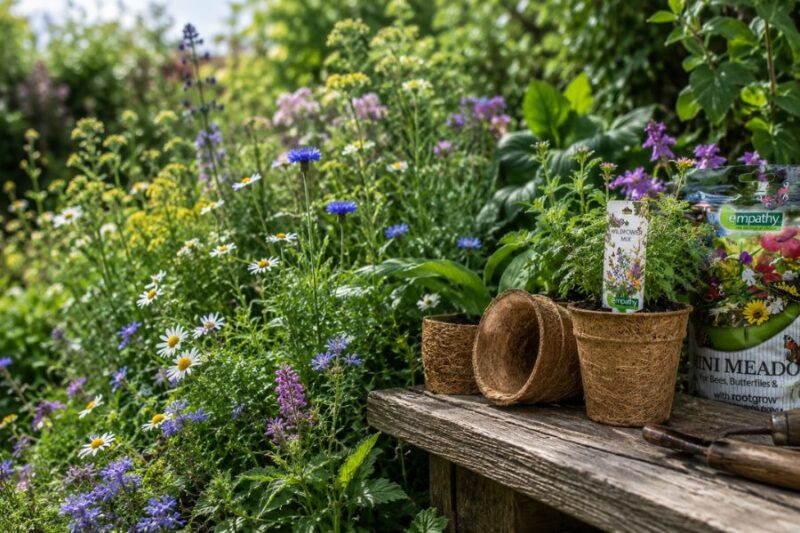
The first week of June is your final window for sowing many warm-season crops. French beans, courgettes, squash and quick-growing salad leaves can all go in now. Sow directly where possible. Biodegradable coir pots are ideal for seedlings that resent root disturbance, because they go straight into the ground without transplant shock.
Feed the soil before you feed the plants. A top dressing of organic compost and fertilisers applied in the first week gives your beds a running start for the month ahead.
Week 2: The Pest Watch Begins
Aphids, slugs and vine weevils are all active by mid-June. This is not a maybe. It is a certainty in most UK gardens. The critical difference between organic and conventional gardeners is not whether you deal with pests but how early you act.
Neem oil applied to foliage in the cool of the evening disrupts the feeding and reproductive cycle of aphids and other soft-bodied insects without harming beneficial wildlife. For slugs, Nemaslug 2.0 delivers nematodes into the soil where slugs live and breed. It is effective, invisible and entirely natural. Vine weevil grubs are already active in pots and raised beds, so consider applying vine weevil nematodes as a preventative measure rather than waiting for damage to appear.
Week 3: Deadhead, Feed and Keep Moving
Deadheading is the job most gardeners know they should do and consistently underdo. Removing spent flowers from roses, geraniums and hardy perennials redirects the plant’s energy from seed production back into flowering. In practical terms, this can extend your display by several weeks.
This is also the week to apply a liquid feed to hungry crops like tomatoes, peppers and climbing beans. Vermicompost soil extract is a particularly effective choice. It delivers a concentrated dose of microbial activity and soluble nutrients directly to the root zone.
Week 4: Consolidate and Prepare for July
By the final week of June, the garden should feel established rather than frantic. Use this week to review what is working, where growth has stalled and which areas need attention before the heat of July arrives. Tie in climbing plants, remove yellowing foliage and check that mulch levels are holding.
Feeding Your Soil in June: Why Biochar and Wormcast Matter Now
June is prime time for soil feeding, not just plant feeding. There is an important distinction. Feeding plants with synthetic nutrients creates dependency and bypasses the natural soil food web. Feeding the soil with biochar and wormcast builds long-term fertility that compounds over seasons.
Biochar acts as a permanent habitat for beneficial microorganisms. Its porous structure holds water and nutrients in the root zone, which is particularly valuable during June’s increasingly unpredictable rainfall patterns. A 2024 meta-analysis published in the journal Soil and Tillage Research confirmed that biochar application significantly improves water retention in sandy and loamy soils, the two most common soil types in UK domestic gardens.
Biohumus wormcompost works alongside biochar to introduce a rich microbial population. Together, they do not just feed what is growing now. They build the conditions for stronger growth next year and the year after.
Pollinators: What Is Flowering and What to Plant for Late Summer Bees
June is generous to pollinators. Foxgloves, alliums, hardy geraniums and lavender are all in full swing. However, many gardeners do not plan far enough ahead. Late summer represents a critical nectar gap in many UK gardens, particularly from late July through August.
Sowing British meadow wildflower seeds in June gives you a succession of native flowers that will feed bees, hoverflies and butterflies precisely when other sources are depleted. Native species are significantly more valuable to British pollinators than many popular ornamental varieties, because they have co-evolved with local insects over thousands of years.
Even a small patch, a metre square of bare soil cleared and sown now, makes a measurable difference to local pollinator populations. The RHS research on plants for pollinators confirms that native wildflowers consistently outperform many exotic cultivars for beneficial insect support.
Watering Wisely: Mulch Mats, Coir Pots and Keeping Moisture Where It Belongs
Watering in June is about efficiency as much as volume. Soil exposed to direct sun can lose a significant proportion of its moisture to evaporation before roots even access it. The solution is not watering more. It is losing less.
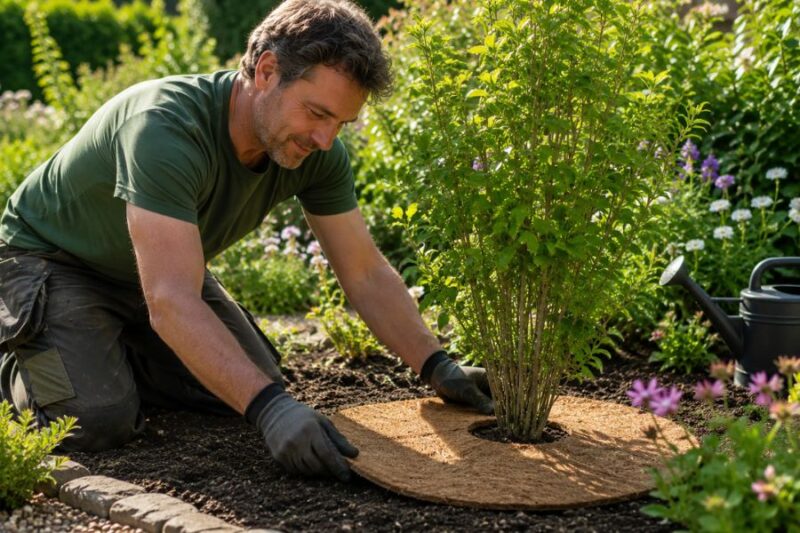
Organic coir mulch mats placed around the base of plants and shrubs suppress weeds and lock moisture into the soil. They are made from natural coconut fibre, they biodegrade harmlessly and they require no intervention once laid. In comparison to plastic mulch films, they support rather than hinder soil biology.
For container growing, the choice of pot makes a genuine difference. Coir pots regulate moisture and temperature more effectively than plastic equivalents, because the natural fibre breathes. Plants grown in coir consistently show less heat stress during warm spells which, in the UK’s increasingly warm summers, is a practical advantage rather than a marginal one.
Water in the early morning or evening to minimise evaporation, and always water at the root rather than overhead. Wet foliage in warm conditions encourages fungal disease.
Frequently Asked Questions About June Gardening Jobs in the UK
What should I be doing in my garden in June?
June calls for sowing final warm-season crops, feeding soil with organic amendments, managing pests early using biological controls and deadheading flowering plants to extend their display. Watering consistently and efficiently becomes increasingly important as temperatures rise.
Is it too late to sow seeds in June?
It is not too late for many crops. French beans, courgettes, squash, salad leaves and many annual flowers can all be sown successfully in the first two weeks of June. Beyond mid-June, focus on fast-maturing varieties and successional sowing of salad crops.
How do I deal with slugs organically in June?
Nematode-based treatments such as Nemaslug 2.0 are highly effective and entirely organic. Applied to moist soil, they work below the surface where slugs breed. They are safe for pets, birds and beneficial insects unlike metaldehyde-based pellets, which carry significant environmental risk.
What flowers should I plant in June for late summer pollinators?
Native British wildflowers sown in June will flower from mid-summer into early autumn. Cornflower, ox-eye daisy and wild marjoram are particularly valuable for bees. A dedicated wildflower patch, however small, supports local pollinator populations through the late-summer nectar gap.
Save This as Your June Checklist
June gardening jobs in the UK reward gardeners who plan ahead and act early. The organic approach is not a slower or harder path. It is a smarter one. Healthy soil produces resilient plants. Resilient plants need less intervention. Less intervention means more time to actually enjoy your garden.
Work through the four weeks above, feed your soil with biochar and wormcast, tackle pests the moment you spot them and give your pollinators what they need for the months ahead. Everything you put in now pays back through summer and into autumn.
Browse the full range of organic gardening products at The Natural Gardener and build your June toolkit, from neem oil and nematodes to wildflower seeds and mulch mats.
< Back to all posts